The House That Pays You Back
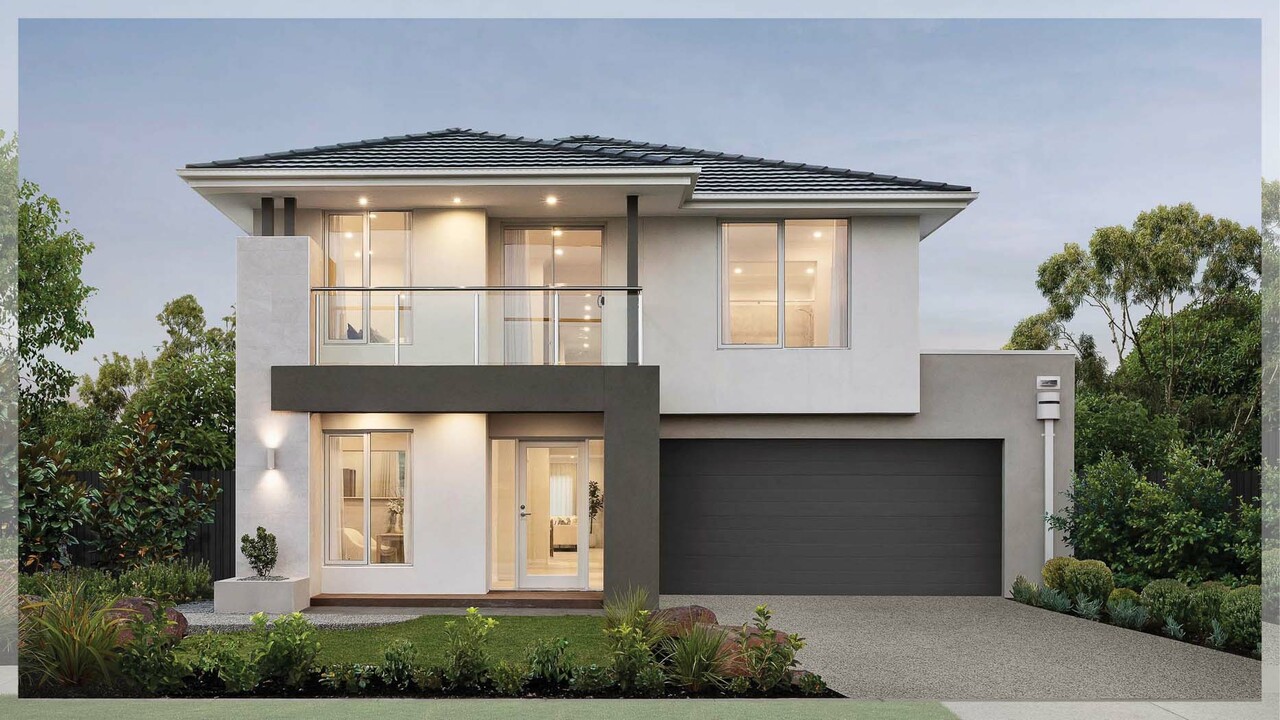
Australians are known for having a strong interest over what their home is worth. But far fewer track how it performs, day to day, as the asset it actually is. A home behaves like infrastructure, producing or draining value continuously, through energy bills, adaptability and equity, not just at settlement and sale.
Ask someone about their car and they’ll often tell you what it’s worth. Ask about their solar panels and they’ll mention the payback period. Ask about their superannuation and they’ll know their balance.
Ask about their home, the single largest purchase most Australians will ever make, and the answer usually stops at the price paid and a rough guess at what it might be worth now. Everything that happens in between - the running costs and how well the layout holds up as life changes - tends to go unexamined.
That's a curious gap, given how much weight the family home actually carries. Research by AMP puts close to seventy per cent of Australian household wealth in the value of the home itself, more than superannuation and shares combined. The reality is that a home behaves as a long-running piece of infrastructure, with a performance record that plays out over decades rather than a single settlement date.
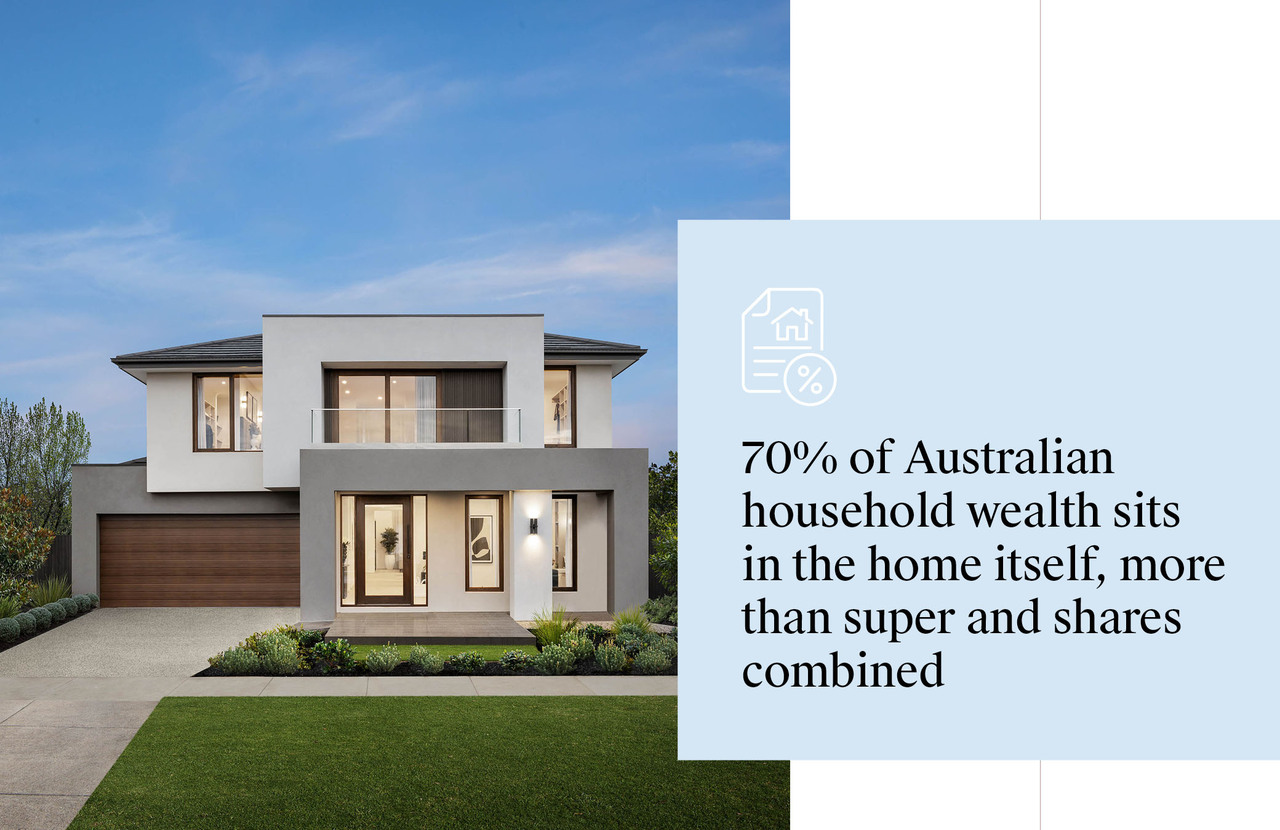
Nearly seventy per cent of Australian household wealth sits in the family home, yet most owners track its value while overlooking daily running costs and performance.
The energy dividend
Every newly constructed Australian home must meet a minimum 7-star energy rating, a standard grounded in energy efficiency principles that governs how much energy a home needs to stay comfortable year-round. In most locations, that requirement translates to homes needing 20 to 25 per cent less energy for heating and cooling than the 6-star homes built before it.
The Victorian Government's own modelling puts the saving at up to $1,920 a year for an all-electric new home with solar, measured against the established homes most buyers are moving out of. We mapped the detail of this comparison in another recent blog: What It Actually Costs to Run a New Home Compared to an Established One.
Run this figure over the length of the average 30-year mortgage and it compounds well past $50,000, before a single future energy price rise is factored in. That saving repeats every quarter, for as long as you live in the home: the direct result of decisions made about orientation, glazing, insulation and cladding before the slab was even poured.
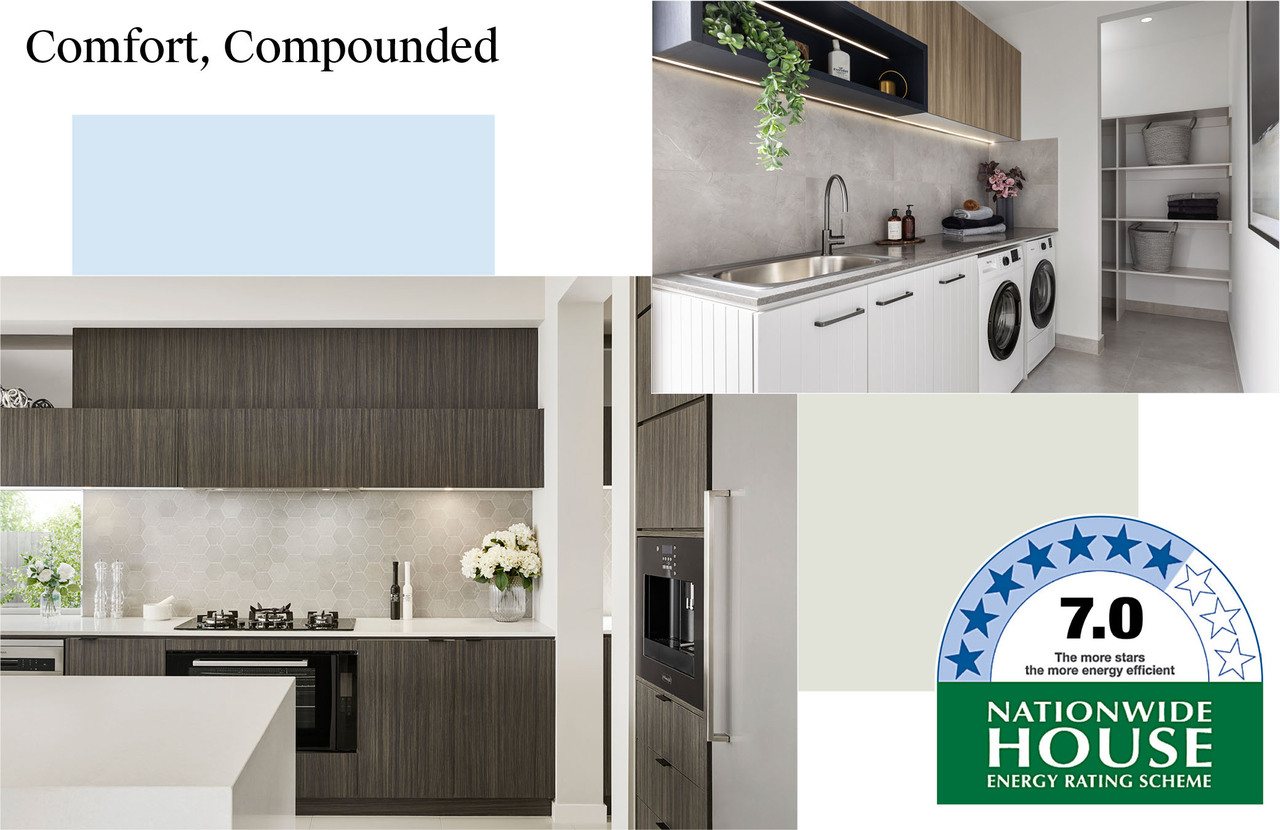
A new Carlisle home built to 7-star energy performance can save owners up to $1,920 a year, compounding into tens of thousands over a 30-year mortgage.
The adaptability dividend
Families change shape constantly. A nursery becomes a study. A study becomes a guest room. A downstairs bedroom becomes flexible space for family members, guests or changing needs. A floorplan designed with that movement in mind — distinct zones, a flexible room near the entry, a secondary living space that can close itself off — keeps earning its keep as the household around it changes. One that can't flex eventually gets outgrown, and the household is left choosing between an expensive renovation and an expensive move.
Moving rarely stays simple. Stamp duty on a Victorian property purchase alone runs into tens of thousands of dollars, before agent fees, conveyancing, removalists and the disruption of pulling children out of a school community they've settled into. A floorplan that anticipates the next chapter, not just the current one, is one of the more financially sound decisions a household can make.
The lifestyle dividend
A home is infrastructure for a family's actual lifestyle, the hosting, the movie nights, the ordinary act of feeding people well, in the same way it's infrastructure for energy use and adaptable space. Melbourne households spend heavily on all of this happening somewhere else. Between restaurant meals, cinema outings and weekend activities, dining out and entertainment routinely add up to tens of thousands of dollars a year for a family of four, a figure we broke down in detail in another recent blog: The Home Entertainment Equation.
A well-designed home intercepts some of that spending simply by making the alternative better. A theatre room removes the queue, the parking and the marked-up snacks from movie night. A butler's pantry and a properly planned kitchen turn hosting a dinner party at home into a plan rather than a fallback. A covered alfresco extends the living area outdoors and turns a pizza night into something that happens on a whim, rather than something that needs booking.

A new Carlisle home in Melbourne is built for everyday living, with a theatre room, butler's pantry and covered alfresco designed to make entertaining at home effortless.
Getting the infrastructure right from day one
Infrastructure engineered properly from the outset costs less to fix later, and a home is no different. Bringing an established home up to modern energy efficiency standards can be challenging as upgrades need to work within the existing structure, layout and orientation of the home. A new build gets one chance to set the fundamentals right: how the home sits on the block, where the glazing goes, how insulation and cladding work together as a system rather than a checklist of individual upgrades.
A home stops being just a purchase the moment you move in. From there, it behaves like infrastructure, a system that either pays you back, in lower bills, adaptable space and the life it lets you live, or costs you more, year after year, depending on decisions made long before the first brick went down.
Walking through a home built this way is the fastest way to understand the difference. Explore Carlisle's full range of floorplans or visit one of the display homes across Melbourne to see how these decisions show up in daily life.
This content is general in nature and is not financial advice. Carlisle Homes does not provide financial or lending advice. Please seek independent advice relevant to your circumstances.