How to choose the right knockdown rebuild site for your property
What makes a site suitable for a knockdown rebuild?
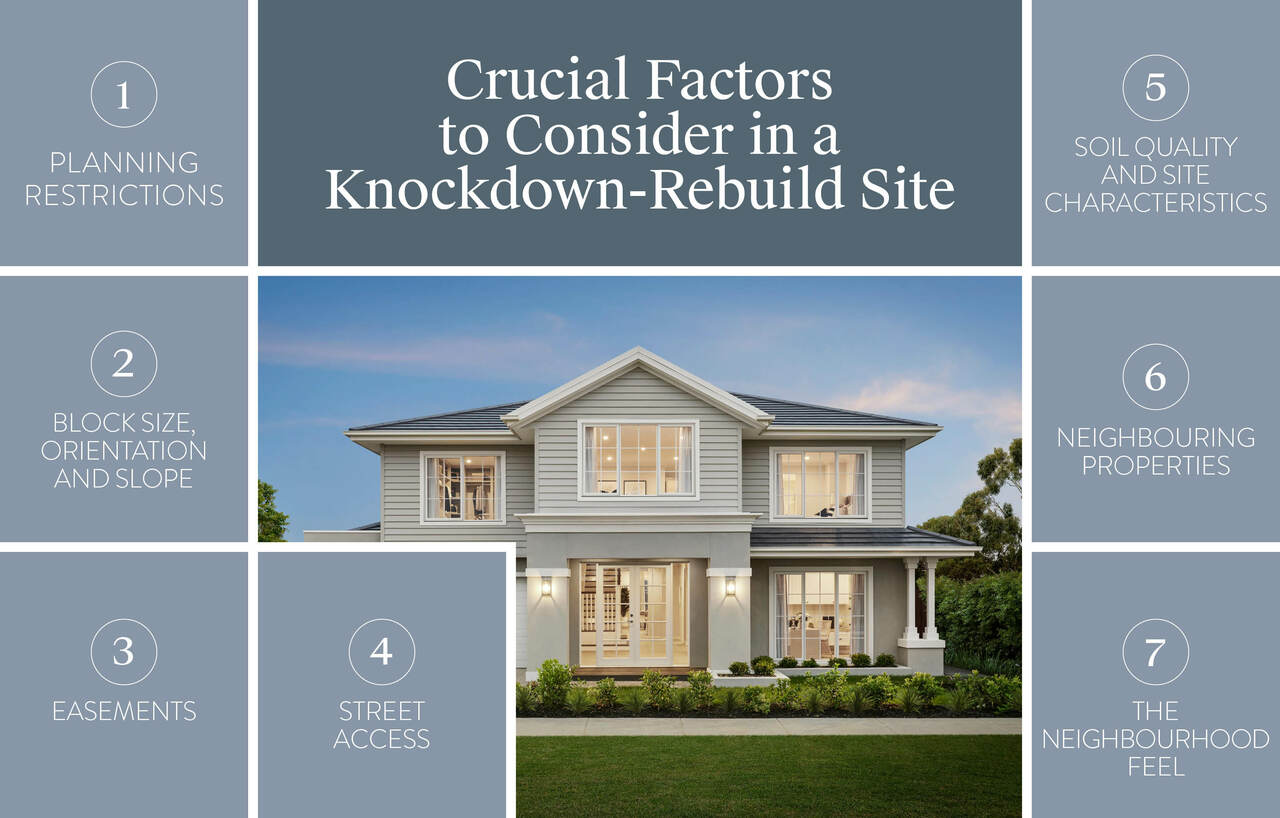
Choosing a site for a knockdown rebuild starts with understanding the physical characteristics of the block. Factors such as size, shape, slope, soil quality and overall accessibility all influence whether your preferred home design can be built safely and efficiently. These considerations also affect site preparation needs, potential costs and the long-term functionality of your new home.
Understanding how these characteristics work together can help you assess whether a property is genuinely suitable for a knockdown rebuild. The Carlisle Knockdown Rebuild hub offers an overview of key considerations when evaluating a block for feasibility.

What should you check in council planning restrictions before a knockdown rebuild?
Council planning requirements play a major role in determining whether a block is suitable for a knockdown and rebuild. These regulations shape the building envelope, guide what can be constructed on the site, and ensure your new home complies with local standards. Reviewing these early can help you avoid surprises and understand how planning conditions may influence your design.
Key areas to check include:
- Zoning and overlays: Rules that govern land use, neighbourhood character, heritage protection, bushfire zones and flood-prone areas.
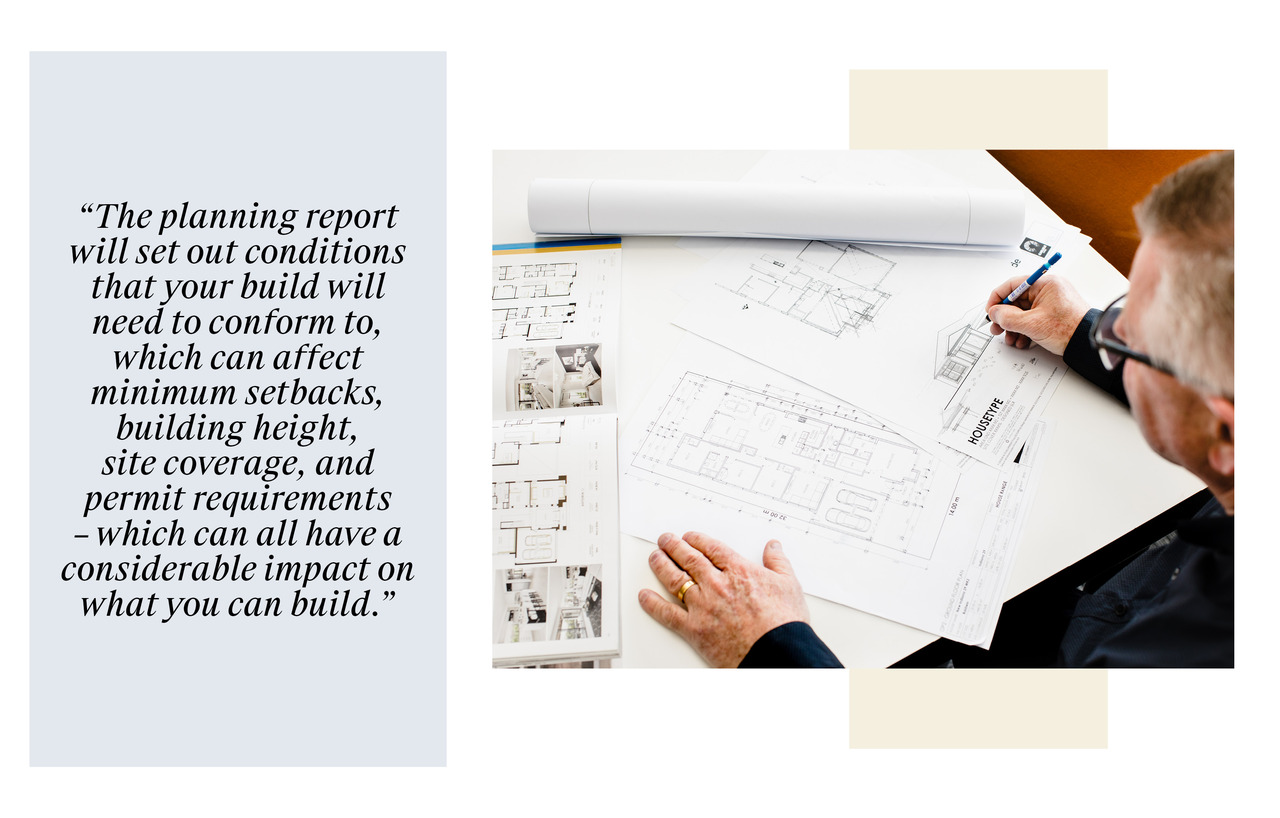
- Planning report requirements: Conditions relating to setbacks, building height, site coverage and private open space.
- Tree protection and vegetation controls: Regulations that may restrict tree removal or require arborist assessments before construction.
- Permit requirements: Whether you need a planning permit for demolition, new construction or any works affecting council assets.
Understanding how zoning and overlays apply to your property can make these requirements much clearer. The Victorian Building Authority explains how zoning categories and overlay controls affect what you can build in Victoria.
How do block size, orientation and slope impact your knockdown rebuild?
Block size, orientation and slope all play a major role in knockdown rebuild site selection. These factors influence what kind of home you can build, how well it will perform year-round and whether the design will feel comfortable, functional and aligned with your lifestyle. Understanding them early helps you choose the right location that supports both your preferred floorplan and your long-term goals for natural light, energy efficiency and usability.
Key considerations are:
- Block size: Larger blocks offer greater flexibility in layout and outdoor space, while smaller blocks may require compact floorplans or clever zoning within the home.
- Orientation: North-facing living areas often enjoy the most consistent natural light, improving comfort and supporting energy-efficient design.
- Slope and gradients: A sloping block may require additional site preparation, retaining walls or specialised footing design, which can affect site costs and influence your choice of home design.
How do easements affect your knockdown rebuild design?
Easements can significantly influence your knockdown rebuild design because they limit where on the block your new home can be constructed. An easement typically contains essential services such as stormwater drains or sewer lines, and these areas must remain accessible for maintenance. As a result, easements can reduce your buildable area, shape your floorplan options and affect the position of outdoor features.
Understanding your plan of subdivision is an important first step. It will show where easements are located and how they may influence setbacks, service access and the overall footprint of your new home. Identifying these elements early, ideally before committing to a block, helps ensure your preferred design can be achieved without costly redesigns or compliance issues.
Why is street access important during demolition and construction?
Street access plays a significant role in your knockdown rebuild because it directly affects how easily demolition crews, construction teams and delivery vehicles can access your property. Limited access can influence logistics, increase manual handling requirements and contribute to higher site costs during the early stages of a rebuild.
Understanding how access conditions impact your budget is helpful when evaluating a block. Carlisle's knockdown rebuild cost guide outlines the types of site factors, including access constraints, that can shape overall project costs for your future home.
Here are the primary access considerations for your knockdown rebuild project:
- Street width and traffic flow: Narrow roads, busy school zones or high traffic areas may require traffic management during demolition or material deliveries.
- Proximity to parking and unloading areas: Limited parking or restricted stopping zones can increase handling time and reduce efficiency on-site.
- Overhead and underground services: Power lines, street trees or stormwater assets may require additional safety measures before machinery can operate.
- Ease of entry for demolition equipment: Cranes, excavators and waste removal trucks must have safe, clear access to carry out demolition and site clearing.
How do soil quality and site characteristics affect a knockdown rebuild?
Soil quality plays a major role in determining how your new home will be engineered and what type of site preparation may be required before construction begins. Different soil types respond differently to moisture and movement, which can influence the footing design needed to support the structure. Site characteristics such as drainage, vegetation and existing fill also affect the feasibility and overall cost of a knockdown rebuild.
Major considerations include:
- Soil tests: A geotechnical assessment provides essential information about soil type, reactivity and bearing capacity, all of which guide the engineering requirements of your home.
- Soil quality and reactivity: Highly reactive soils expand and contract more with moisture changes, often requiring deeper or reinforced footings.
- Drainage conditions: Poor drainage or significant water flow across the block may require additional site preparation measures.
- Existing fill or disturbed ground: Blocks with previous excavation or imported fill may need compaction or remediation before construction.
How can neighbouring properties affect your final home design?
Neighbouring properties play an important role in shaping what you can build during a knockdown rebuild. Local amenity rules are designed to protect privacy, sunlight and outlook for adjoining lots, which means your home’s height, window placement and overall footprint must consider the surrounding context. Understanding these requirements early helps ensure your preferred design remains both feasible and compliant.
Key factors to consider include:
- Allowable building height: Height controls may limit how tall your new home can be to avoid overshadowing neighbouring properties.
- Window placement and overlooking rules: Windows, balconies and outdoor areas must be positioned to maintain privacy for you and your neighbours.
- Setbacks and boundary guidelines: These determine how close your home can be built to the property line and often influence room placement.
- Impact of neighbouring structures: Existing homes, garages or multi-storey additions nearby can influence natural light, views and design choices for your new home.
Ready to assess your site for a knockdown rebuild?
Choosing the best site for a knockdown rebuild comes down to understanding block characteristics, council requirements, access conditions and the surrounding neighbourhood. When these elements are reviewed early, it becomes much easier to confirm feasibility, refine your design options and plan a home that fits your lifestyle and future needs. With expert guidance, the process of evaluating a property becomes clearer and far more reassuring for homeowners.
If you’re ready to explore whether your block is suitable, you can ask the Carlisle Homes team to provide a personalised site assessment and practical advice to help you take the next step with confidence.