What you need to know about deposits when securing house and land packages
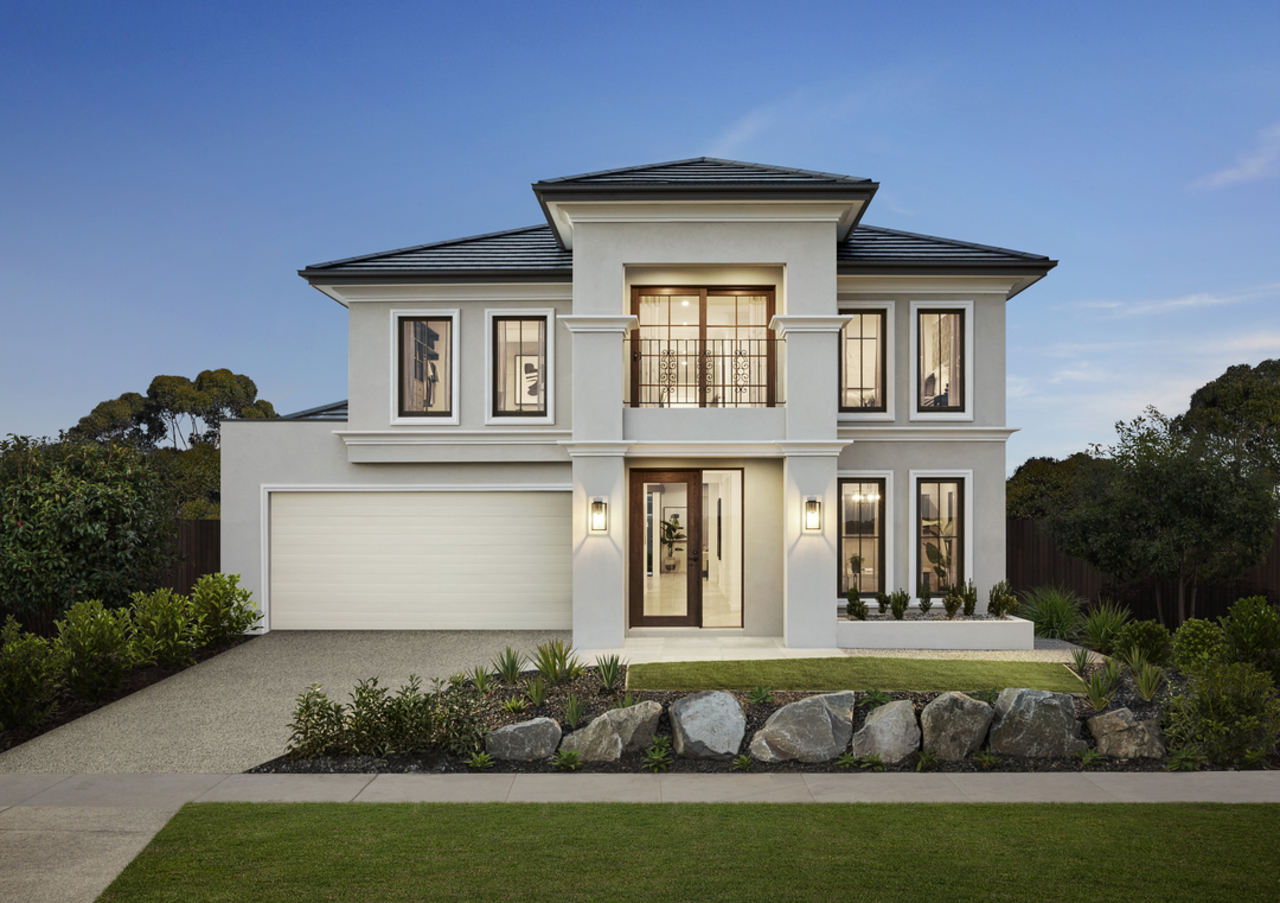
A house and land package deposit is the upfront amount you pay to secure both your block of land and your building contract. In most cases, this deposit is split into two parts, one for the land purchase and another for the builder agreement, with each paid at different stages of the process.
If you’re buying or building your first home, understanding how deposits work can make the journey feel far more manageable. From how much you’ll need to save, to when payments are due and whether deposits are refundable, knowing the details upfront helps you plan with confidence and avoid unexpected costs.
How deposits work for house and land packages
Deposits for house and land packages are not paid in a single lump sum. Instead, they are split between the land purchase and the building contract, each with its own timing and requirements.
When buying the land, you’ll pay a deposit to secure your chosen block within an estate, usually when you sign the land contract. Then, once you’ve selected your home design and inclusions, you’ll pay a builder deposit as part of your home builder agreement.
Because you’re building a new home rather than buying an existing home, your mortgage is often set up as a construction loan. This allows your lender to release funds in stages, known as progress payments, as your home is built.
This two-part deposit structure is a key difference in how house and land packages work and is important to understand before you commit to buying.
Typical deposit amounts when buying land and building a home
The house and land deposit amount is usually split between the land and the build, and each has different requirements.
For land purchases, most buyers pay a 5–10% deposit. This is paid when you sign the land contract and helps secure your block of land within the estate.
For the building contract, the deposit is typically smaller. Many home builders require a fixed amount or a small percentage of the total build cost. This is paid when you finalise your home design, inclusions, and sign the building agreement.
For example:
- Land price: $400,000 → 10% deposit = $40,000
- Build cost: $300,000 → builder deposit = $5,000–$15,000
This means your total upfront deposit may be split between both contracts rather than paid as a single lump sum.
Keep in mind that your exact deposit will depend on your lender, your financial situation, and the type of home loan you choose. If you are using a construction loan, your lender may also have specific deposit requirements before approving your financing.
When deposits are paid during the house and land purchase process
Deposits for a house and land package are paid at different stages of the buying process. This is because the land purchase and the building contract are separate agreements, each with its own timeline.
Stage 1: Paying the land deposit
The first deposit is paid when you sign the land contract. This secures your block of land within the estate and confirms your intent to proceed with the land purchase.
At this stage, you will usually pay a percentage of the land price, often around 5–10%. The land will then move towards settlement while your finance is being finalised.
Stage 2: Paying the builder deposit
Once you have chosen your home design, inclusions, and pricing, you will sign the building contract with your home builder. At this point, you will pay the builder deposit.
This deposit is usually smaller than the land deposit and confirms your agreement to build your new home.
Stage 3: Loan approval and construction payments
After both contracts are signed, your lender will finalise your home loan or construction loan. Once approved, construction can begin.
Instead of paying the full cost upfront, your lender will release funds in stages. These are called progress payments and are made as your home is being built.
Stage 4: Land settlement and build commencement
The land settlement is completed once your loan for the land is ready. After settlement, construction progresses according to the building contract.
At this point, your deposits have already been paid, and the focus shifts to ongoing payments as your home moves closer to completion.
Are deposits refundable if your finance is not approved?
In Australia, whether a deposit is refundable depends on the conditions in your property contract. This is important when buying a house and land package, as the land and building contracts may have different rules.
Your deposit is often refundable if:
- Your contract includes a finance clause
- Your home loan is not approved within the agreed timeframe
- You follow the correct process after you sign the contract
- You notify the seller or builder within the required period
This type of conditional contract can help protect your upfront costs while your lender assesses your application.
You may lose your deposit if:
- You sign the contract without a finance clause
- You miss key deadlines in the contract
- Your finance is declined but conditions were not properly met
This is why many buyers speak with a mortgage broker early. It helps you understand your borrowing power and expected repayment before committing.
It is also important to plan for other upfront costs. You may need to pay stamp duty, although some buyers may be eligible for stamp duty concessions or other concessions.
If you are building a new home, you may be eligible for support such as the First Home Owner Grant. These benefits can help first home owners move closer to their dream home, but they do not guarantee your deposit will be refundable.
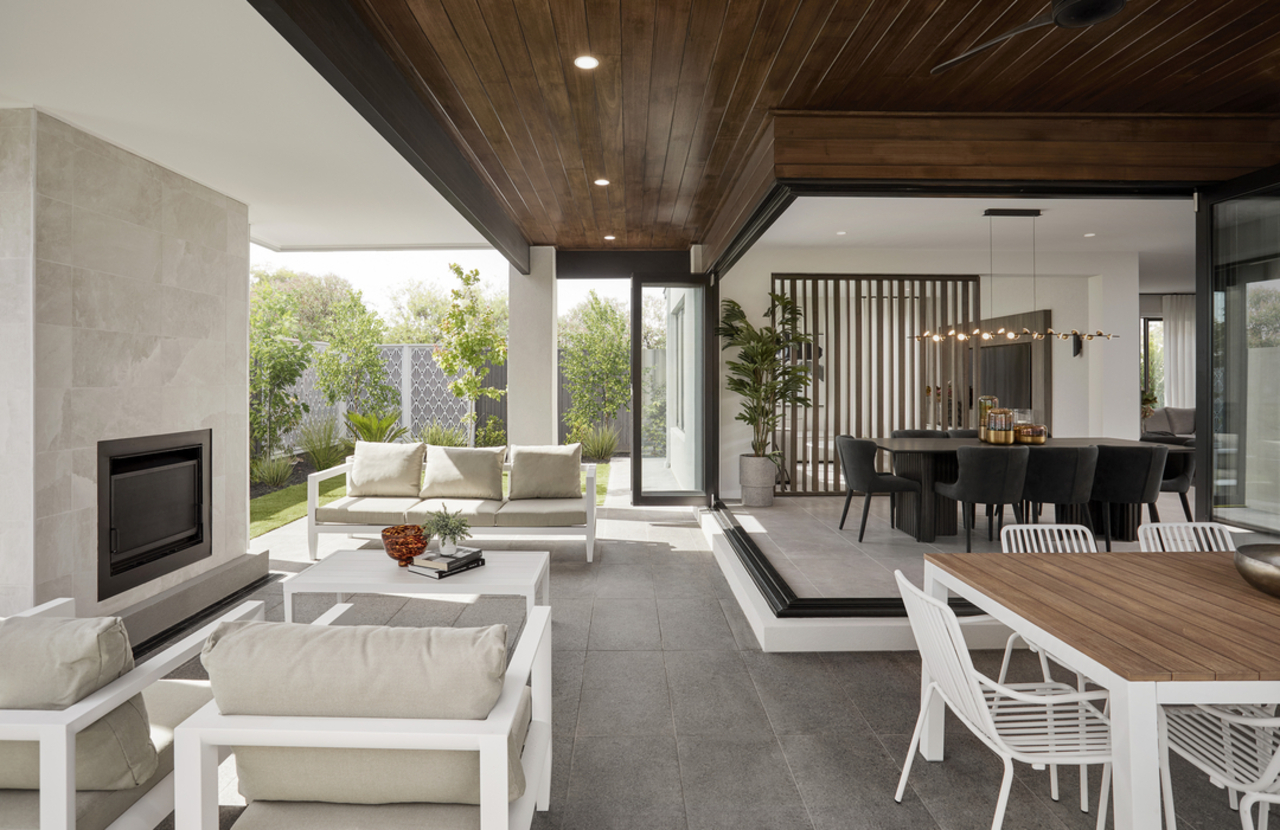
Do first home buyers need a smaller deposit?
If you’re a first home buyer, you may be able to enter the market with a smaller deposit. Some lenders and government programs can help you secure a house and land package sooner, especially when buying or building a brand-new home.
You may be able to lower your upfront deposit through government support and lender options. If you have already been approved for the First Home Owner Grant, you can follow a step-by-step guide for completing your home purchase through the Victorian Homebuyer Fund.
Choosing a fixed-price house and land package can also make costs easier to manage. It gives you more certainty around what you need to save and helps you plan for your move into a new home.
A house and land package could offer a more flexible path compared to buying an established home. You can choose the block of land from a land developer, then select from a range of house designs that suit your lifestyle.
Because the process combines land and construction, it can feel more streamlined. For many buyers, this makes it easier to build their dream home and move forward with confidence.
Other costs to budget for when securing a house and land package
When planning your house and land package, your deposit is only one part of the total cost. There are several upfront and ongoing costs to factor into your budget to avoid surprises during the home-buying journey.
- Stamp duty and legal costs: You may need to pay stamp duty on the land purchase, although some buyers may qualify for stamp duty concessions. You should also allow for conveyancing and legal fees linked to your property contracts.
- Site preparation and land costs: Costs can vary depending on your block of land, estate requirements, and landscape conditions. This may include site works, soil testing, and preparation before construction begins.
- Build upgrades and inclusions: When building a new build, upgrades to your home design, façade, and customisation options can add to the total cost. It is important to review what is included so you can plan ahead.
- Utility connections and developer costs: You may need to budget for connections such as water, electricity, and gas, as well as any requirements set by the land developer. These are not always included in fixed price packages.
- Ongoing ownership costs: Once your home is complete, you will need to manage loan repayments, council rates, insurance, and maintenance. Planning for these early helps you stay financially prepared.

Tips to prepare your finances before securing a house and land package
Preparing your finances early can make it easier to secure your house and land package and move through the process with confidence.
- Build your savings early: Start setting aside funds for your deposit and upfront costs as early as possible. This helps you meet lender requirements and reduces financial pressure when it is time to pay your deposit.
- Speak with a broker or lender: A mortgage broker can help you understand your borrowing capacity and loan options. This makes it easier to plan your repayment and choose the right finance structure.
- Get pre-approval before you sign: Securing pre-approval before you sign the contract gives you clarity on your budget. It also helps you move quickly once you find the right house and land package.
- Review your financial position: Examine your income, expenses, and existing debts. Reducing debt and improving your financial position can strengthen your loan application.
- Plan for extra costs: Ensure you have a buffer to cover any unexpected costs throughout the process. This includes site costs, upgrades, and other expenses linked to building a home.
- Compare your loan options: Different lenders offer different terms, so it is worth comparing options. Understanding your loan structure helps you feel more confident throughout your home-buying journey.
Secure a house and land package with Carlisle Homes
With Carlisle Homes, you can explore a wide range of house and land packages designed to suit different lifestyles, budgets, and stages of life. We offer a large selection of house and land packages across Melbourne and regional Victoria. Each package is designed to provide clarity around pricing, inclusions, and the building process, helping you feel confident as you move forward.
Whether you are looking to build your dream home, upgrade to more space, or enter the market as a first home buyer, Carlisle supports you through every step. From choosing your block of land to selecting a home design, the experience is guided and focused on delivering a smooth building journey.