
How to create a sustainable knockdown rebuild that reduces waste
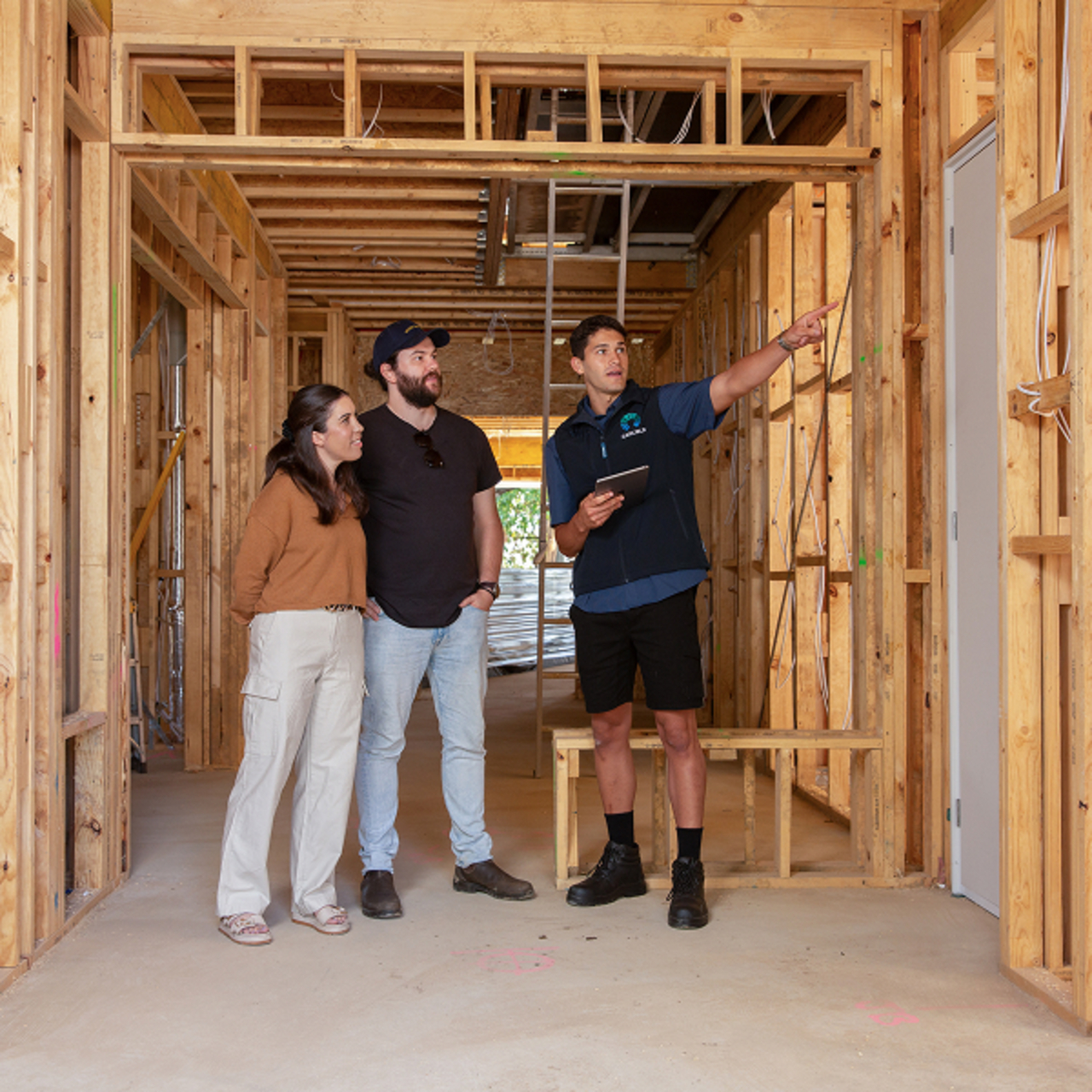
A knockdown rebuild gives you the chance to start again on the block you love, but it also comes with a responsibility to manage waste and environmental impact.
With thoughtful planning, material reuse, and sustainable construction practices, you can dramatically reduce what ends up in landfills. This guide explains how to make your knockdown rebuild not only functional and future-proof, but genuinely eco-friendly.
Why does sustainability matter in knockdown rebuilds?
Sustainability matters long before the new slab is poured. When an existing structure is demolished, the manner in which materials are handled has a direct impact on the environment. A sustainable knockdown rebuild minimises environmental impact and landfill contribution by prioritising smart waste management, high-performance design, and material reuse.
Many homeowners ask why sustainable building is important during a rebuild. The answer comes down to three factors: environmental protection, long-term home performance, and the conservation of natural resources. A sustainable approach ensures that raw materials aren’t wasted unnecessarily and that the replacement home operates efficiently for its entire lifespan.
Choosing a sustainable house rebuild can also help lower long-term energy bills, improve indoor comfort, and support Victoria’s shift toward a circular construction economy. With builders like Carlisle Homes championing energy-efficient design and greener construction pathways, homeowners can take meaningful steps to minimise their environmental footprint.
How can you reuse and recycle materials from the old structure?
Once you understand the environmental benefits of a sustainable rebuild, the next step is considering what you can save from the existing home. A demolition doesn’t need to mean complete waste. In fact, many materials can be salvaged and given a second life either in your new home or elsewhere. Conducting a demolition audit before removal begins is an effective way to identify what to keep.
Here are common ways to reuse and recycle building materials:
- Timber: Hardwood beams, posts, and floorboards can become feature walls, shelving, garden structures, or decorative elements.
- Bricks: Reclaimed bricks can be used for pathways, landscaping, or rustic feature areas.
- Windows and doors: If structurally sound, these can be reused, donated, or sold.
- Roof tiles: Undamaged tiles are easily repurposed or sent to recycling plants.
- Metal: Steel, aluminium, and copper have strong recycling markets.
- Fixtures and fittings: Lighting, cabinetry, sinks, and taps can be reused in secondary spaces such as garages, studios, or granny flats.
Material reuse reduces waste, lowers the demand for new products, and helps preserve the character of your property. Carlisle Homes also supports eco-conscious design choices, as highlighted in our guide to sustainable living through better floorplans.
How to reduce waste during the demolition stage
Keeping salvageable materials is just part of the equation. The demolition stage itself plays a huge role in ensuring a sustainable rebuild. Sustainable demolition diverts materials from landfill and ensures each waste stream is handled responsibly.
Effective construction waste management typically includes:
Engaging demolition contractors who prioritise sustainability
Look for teams with proven experience in sustainable demolition practices. This includes on-site sorting and established recycling partnerships. Look for teams with proven experience in sustainable demolition practices. Choosing contractors with strong sustainability credentials ensures more materials are recovered rather than wasted.
Conducting a thorough pre-demolition assessment
This identifies salvageable materials, hazardous content (like asbestos), and recyclable elements. It also helps you plan ahead for which materials can be integrated into your new build.
Sorting materials on-site
Separating timber, concrete, plasterboard, glass, and metal makes recycling more practical. This step also reduces contamination between waste streams, improving recycling efficiency.
Working with approved Victorian recycling facilities
Victoria offers several licensed centres capable of processing construction waste. These facilities often provide clear guidelines on what they accept, helping streamline the recycling process. A helpful resource is Sustainability Victoria’s Building and Renovation guide.
Retaining existing landscaping where possible
Preserving mature trees, topsoil, or established garden areas helps reduce green waste. Retaining trees and garden beds also preserves natural habitats and reduces the need for extensive replanting later.

Sustainable materials to use in the new build
Once the site is cleared responsibly, the focus shifts to choosing materials for the new home. Material selection influences the environmental performance of the final build more than many homeowners realise. With eco-certified and high-performance products becoming increasingly accessible, sustainable choices are both practical and stylish.
Examples of sustainable house building materials include:
- Eco-certified timber: FSC-certified products are sustainably sourced and durable.
- Recycled steel: Lower carbon footprint while delivering strength and resilience.
- Locally made materials: Australian-made bricks, cladding, and timber reduce transport emissions.
- High-grade insulation: Essential for energy efficiency and comfort year-round.
- Low-VOC paints: Improve indoor air quality for healthier living.
- High-performance glazing: Double glazing and thermally broken frames maintain stable indoor temperatures.
- Recycled concrete: Reduces landfill waste and retains structural integrity.
Carlisle Homes integrates sustainable material options throughout the knockdown rebuild process and offers eco-friendly selections at Spectra, highlighted in our guide on green choices at Spectra.
What regulations and recycling targets should you know in Victoria?
No sustainable rebuild is complete without ensuring compliance with Victorian regulations. The EPA Victoria sets guidelines for the disposal of construction and demolition waste, and understanding these early helps your project proceed smoothly.
Before demolition begins, homeowners should know that:
- A demolition permit from your local council is mandatory.
- Licensed professionals must complete asbestos removal.
- Contractors must transport waste only to EPA-approved receiving facilities.
- Improper waste disposal can lead to significant fines and project delays.
Victoria’s broader recycling targets also encourage construction projects to maximise material recovery wherever possible. This includes diverting recyclable building materials away from landfills and supporting the growth of recycling infrastructure across the state.
Ready to make your knockdown rebuild more sustainable?
A sustainable knockdown rebuild is all about making informed decisions at every stage, from salvaging old materials to selecting responsible products and adhering to Victoria’s regulations. With thoughtful planning and expert guidance, you can reduce waste, lower long-term energy consumption, and create a home that feels good to live in.
If you’re ready to work with a knockdown rebuild builder in Melbourne that understands sustainability inside and out, Carlisle Homes’ team of sustainable knockdown rebuild experts is here to help. Reach out today for personalised, future-focused building advice.