Autumn is the garden's second spring. With cooler temperatures and settled soil, Melbourne's quieter months are one of the best planting windows of the year, and a little effort now pays off well before the season turns.
There's a common misconception that the garden winds down in autumn. In Melbourne, the opposite is true. As temperatures ease and the soil holds warmth from summer, plants establish with less stress, less watering, and more success. For homeowners with smaller backyards and courtyard spaces, this season offers a real opportunity to get ahead.
Tidy up thoughtfully
Before you plant anything, take stock of what's finishing up. If you have summer herbs or vegetables going to seed with flower heads forming, resist the urge to pull them immediately. Those spent flowers are a food source for pollinators at exactly the time of year when their options are narrowing. Let the flowers run their course, then clear them out.
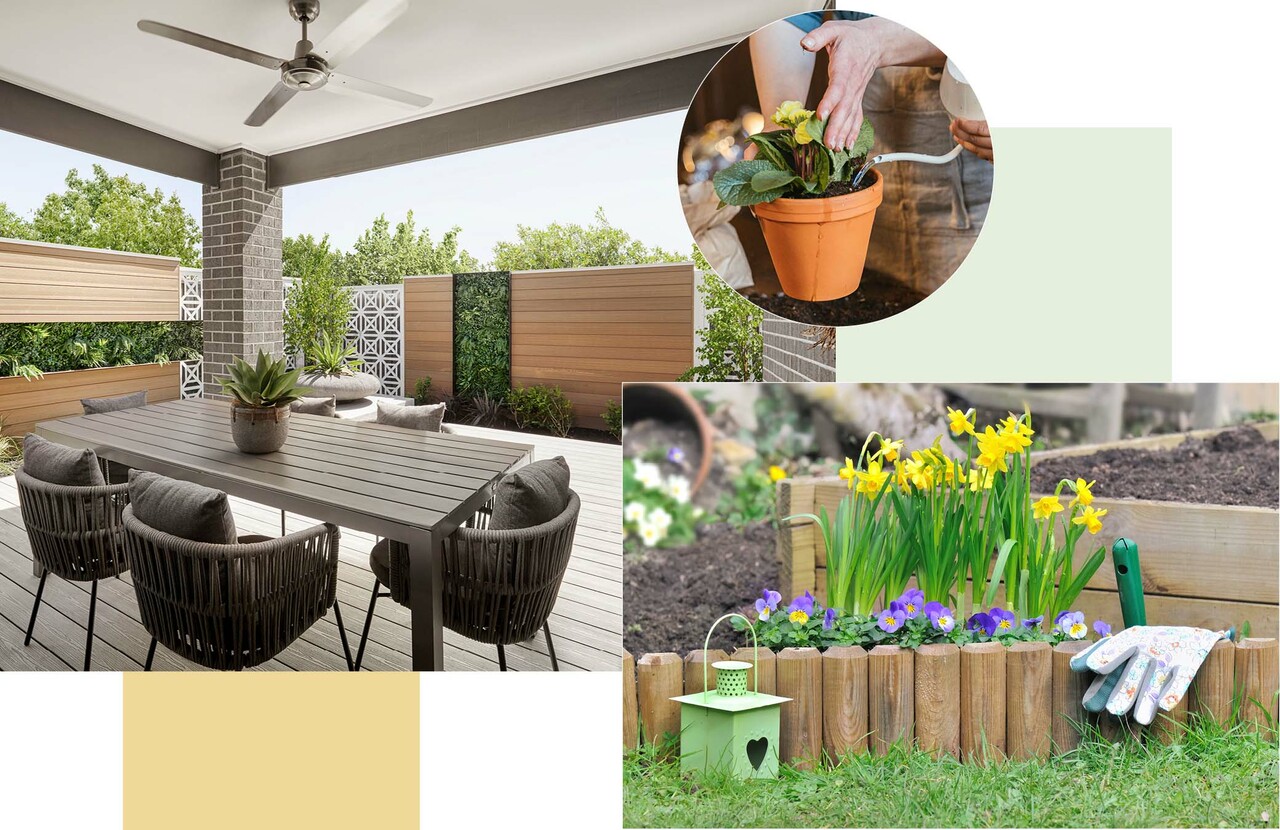
Prepare your garden for the season ahead by refreshing soil, clearing spent plants thoughtfully and creating the ideal foundation for healthy autumn planting.
Start with the soil
Soil is where every good garden season starts. The change of season is the right time to refresh your containers and beds before you introduce new plants, particularly if you're putting in anything that's a heavy feeder.
For pots, the approach is straightforward: if you can, empty out the spent mix entirely and refresh it using compost, slow-release fertiliser pellets, and a drench of liquid organic fertiliser. If emptying isn't practical, add as much compost as the pot will absorb and treat with the same combination. Good potting mix makes a significant difference to how plants perform through the cooler months.
What to plant now
Once your soil is ready, autumn opens up a generous selection. For a spring display, plant tulips, daffodils, ranunculus, and hyacinths between April and June. They suit pots and garden beds equally well and work naturally in smaller spaces when grouped in clusters rather than rows.
For flowers that carry through winter, violas and pansies are reliable and low maintenance. Hellebores are among the best plants you can put into a Melbourne courtyard garden: they actively prefer shade, ask very little once established, and flower through the coldest months when most everything else has gone quiet.
For structure and longevity, camellias provide year-round foliage and flower through autumn and winter; like hellebores, they perform well in part shade, making them a strong choice for spots that don't get direct sun for long. Hydrangeas are worth adding to shadier areas too, rewarding dappled light with generous blooms come spring.
For ground cover, liriope and native violets suppress weeds, and stay tidy with minimal intervention. Layering plants of different heights and leaf textures, sweet box alongside ferns alongside a structural camellia, creates a garden that feels considered and lush regardless of how much sun the space receives. Lavender, for the sunnier edges and borders, builds strong roots planted now and rewards you with fragrance and colour through the warmer months ahead.
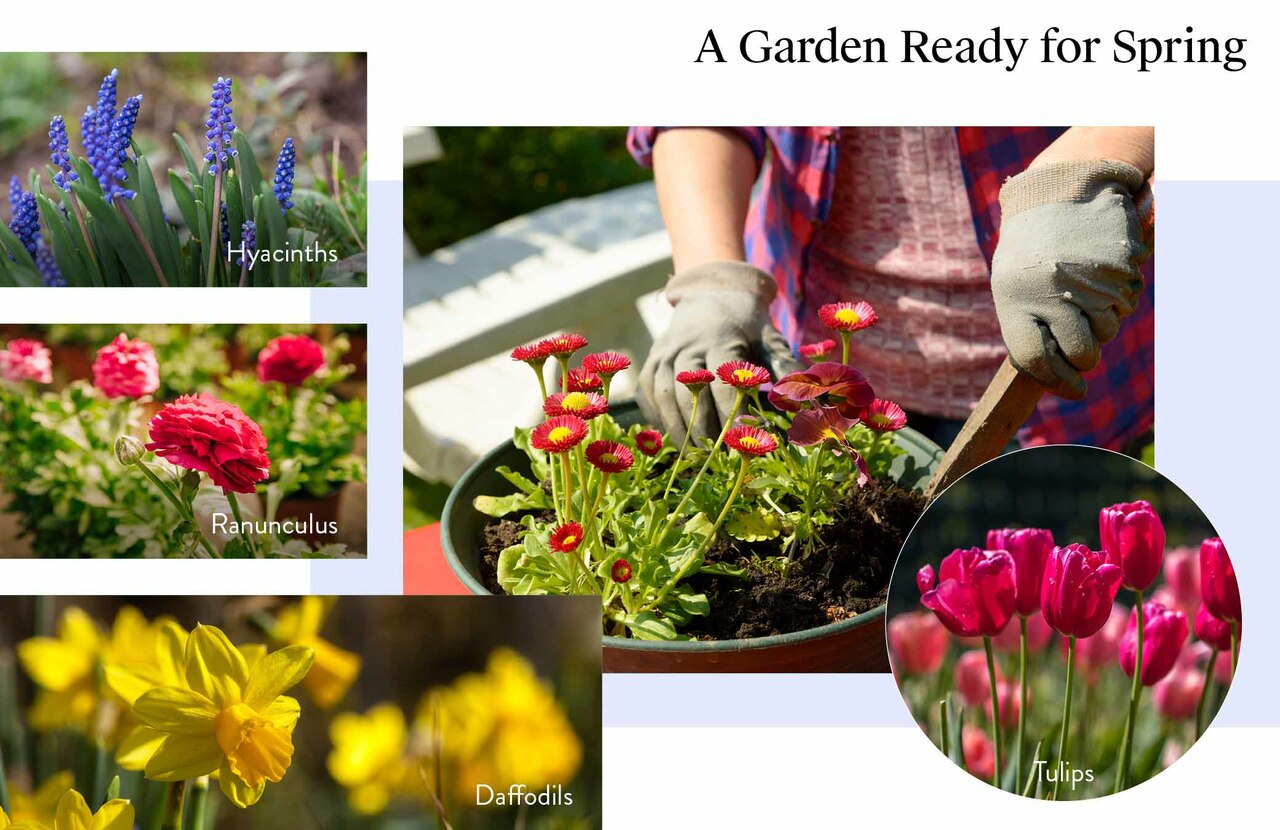
Discover what to plant in autumn for spring colour, including tulips, daffodils, ranunculus and hyacinths, alongside camellias and winter blooms for year-round interest.
Keep pollinators fed through winter
Planting for pollinators isn't just good ecology, it keeps your garden more productive across seasons. Pot up winter-flowering annuals, add some local natives or succulents, and choose perennials that offer repeat flowering. Salvias are a strong option here: the variety Salvia leucantha handles Melbourne conditions well and provides reliable flowering that extends into spring. A garden that supports insects through winter is better placed for the season that follows.
Seeds or seedlings?
Worth deciding before you head to the nursery. Seeds cost less and offer more variety, but seedlings give you a faster result and more certainty in limited space. For a smaller courtyard garden, seedlings are usually the more practical choice, especially for anything you want to see established before the coldest weeks arrive.
Watch Now: Discover how thoughtful planting enhances alfresco living, creating privacy, colour and connection in your outdoor space.
The space to enjoy it all
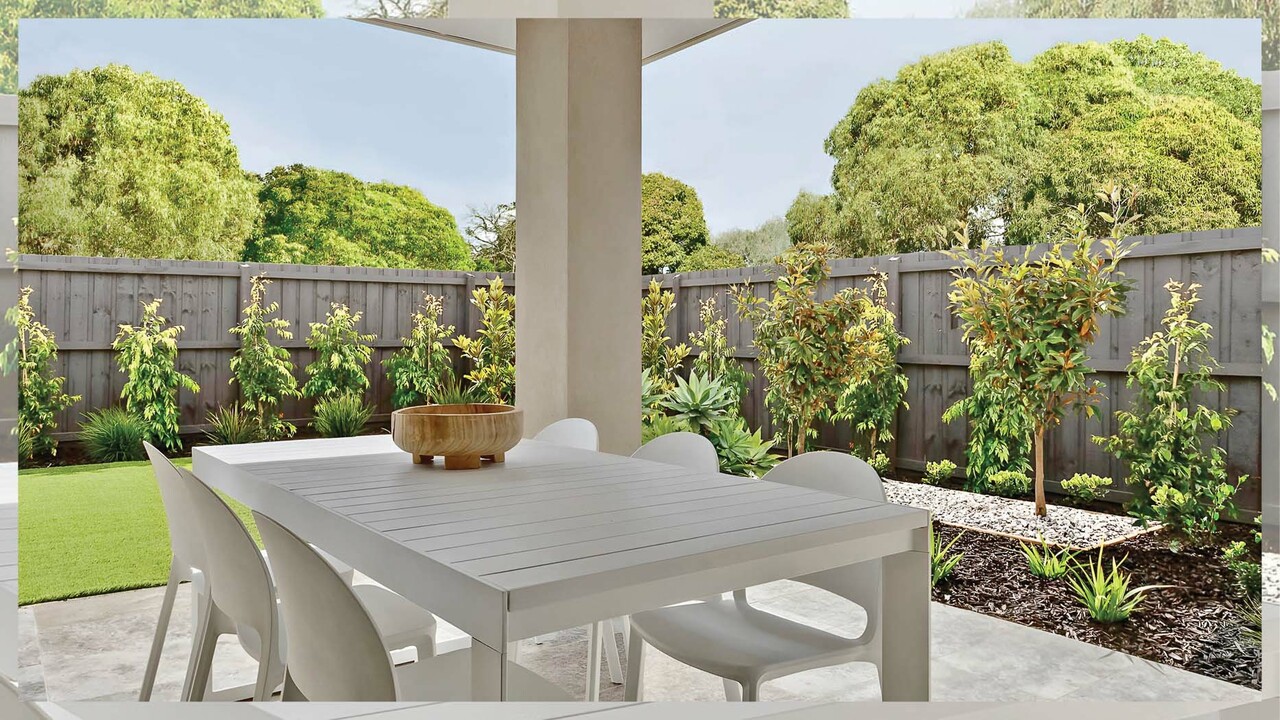
The plants you choose around your alfresco area do more than fill space. A camellia brings privacy. Pots of violas near an outdoor table bring colour up to where you're sitting. Lavender along a garden edge makes an autumn evening outside noticeably more pleasant. Carlisle Homes' alfresco areas are designed to connect indoor and outdoor living, and a considered garden makes that connection feel worth something.
Ready to go further?
Our step-by-step guide to landscaping your new home covers everything from theming to choosing the right plants for scale and position.
For something more tangible, visit a Carlisle display home and see how garden design and outdoor living work together in practice. Explore different layouts and leave with a clearer picture of what your own outdoor space could become.