Land or house first: which should you buy when building a new home?
Buying land or choosing a house design first depends on your budget, location and long-term goals. In most cases, selecting a home design first makes it easier to find the right block, while buying land first can limit your options. It can also affect the cost of buying land and your overall build.
With Carlisle Homes, Victoria’s number 1 builder in 2022, you’ll be guided through how land, design and cost work together. Whether you plan to purchase land and build a house now or buy land first and build later, we can help you confidently build a home that fits your lifestyle.
Planning your dream home: buying land vs choosing a house design first
As Taylah White, Carlisle Homes Group House and Land Manager, explains, “Buying a block of land without fully understanding what can be built on it can lead to compromises. Many buyers purchase land first, then discover their chosen home can’t be built on that block.”
When buying or building your first home, effective home building planning means comparing land purchase with house design planning early. Choosing your home design first helps you identify the best land to buy, based on your layout, lifestyle and budget. In contrast, buying land first can limit your options and make it harder to know what to look for when buying land to build on.
For buyers entering the residential property market, aligning your home design with the land from the start supports a smoother building process and a more confident investment.
The challenges of buying land before choosing your home design
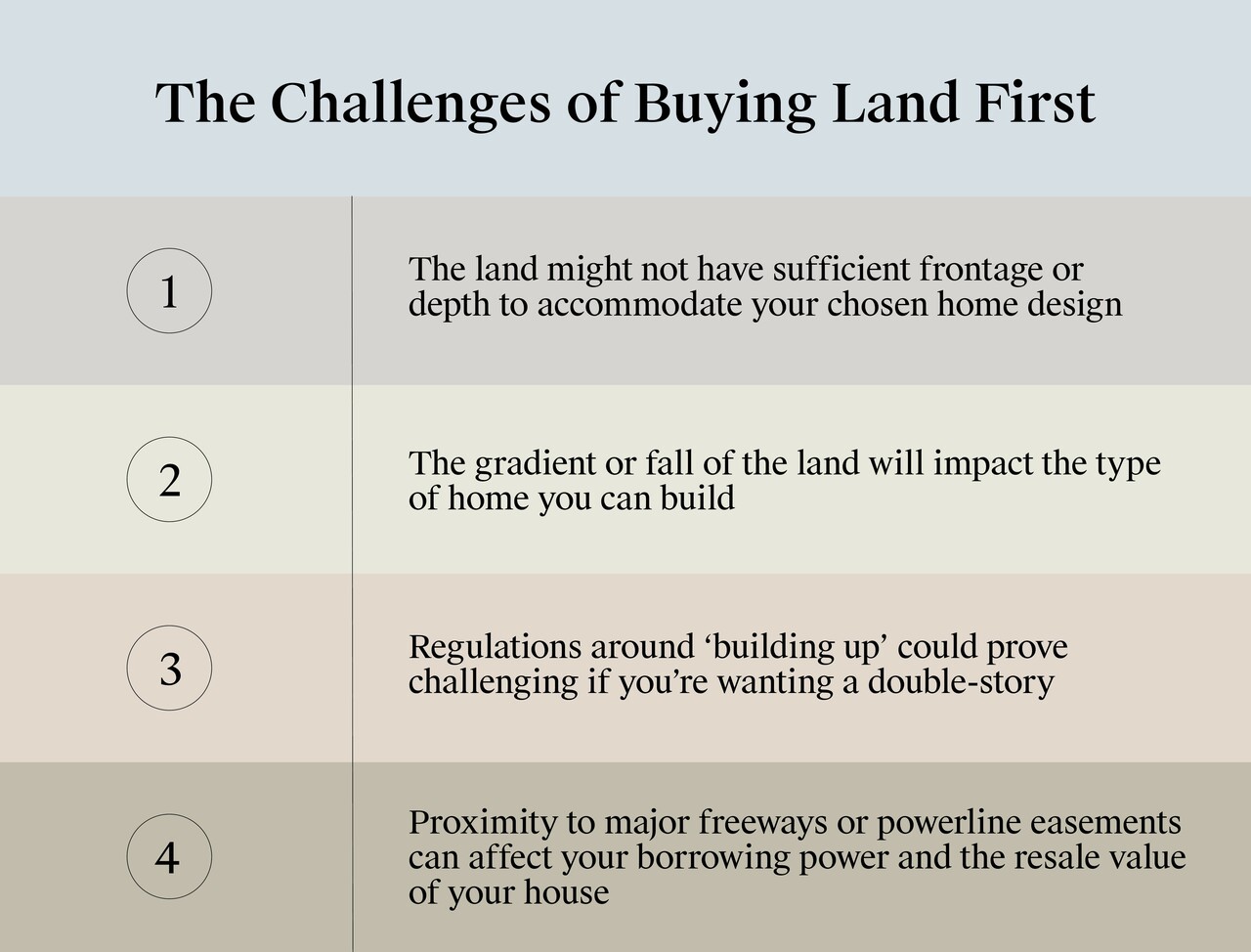
Buying land first may seem like a smart way to secure a location, but it can create unexpected challenges when planning to build your dream home. It’s important to check what can actually be built on the block before committing, especially when navigating building codes and site constraints in Australia.
Pros of buying land first
- Secure your preferred location or estate early
- Flexibility to buy land first and build later
- Opportunity to hold land as a long-term residential property investment
Cons of buying land first
- Limited home design options due to block size, slope or orientation
- Additional costs if your design doesn’t suit the land
- More complex approval process due to building codes and council regulations
- Harder to find land and house combinations that align seamlessly
- More things to consider when buying land to build a house in Australia, compared to an existing house
Unlike buying an existing house, purchasing a block of land requires forward planning to ensure your future home design fits the block and complies with local requirements.
Key site constraints to check before buying land
Before committing to a land purchase, it’s important to check key site constraints that can affect what you can build new. Understanding these early in the purchasing process helps you avoid costly changes long after buying a land parcel, especially when factoring in property finance and approval timelines.
What to check before buying residential land
- Block size and dimensions: Ensure the block suits your preferred home design, especially if you’re considering a larger block for future flexibility.
- Shape of the land: Irregular or narrow blocks can limit layout options and affect how efficiently your home fits on the site.
- Slope and soil conditions: Steep or reactive land can increase site costs and require additional construction work.
- Planning regulations and council approvals: Local planning regulations and council approvals can restrict setbacks, building height and design options. You can review general guidance via the Victorian Planning Authority to better understand zoning requirements.
- Building permits and overlays: Building permits and overlays may impact where and how you can build on the land.
- Zoning and land use: Not all residential land is suitable for every build, particularly when buying farm land to build a house.
Many buyers focus only on location and price, without checking site constraints. This can lead to redesigns, delays and higher costs when your chosen home doesn’t suit the block.
Taking the time to assess these factors ensures your land purchase supports your home design, budget and long-term investment.
How your block of land affects the type of home you can build
The characteristics of your block play a major role in determining the type of new house you can build. When purchasing vacant land, it’s important to understand how physical and regulatory factors shape your home design options.
Key ways your land influences your home design:
- Block width and depth: Narrow or shallow blocks can limit floorplan choices and room layouts, especially compared to an existing home where design is already fixed.
- Slope and elevation: Sloping land may require split-level designs or additional site work, which can affect both design flexibility and cost.
- Orientation and sunlight: The direction your block faces influences natural light, energy efficiency and overall liveability.
- Maximum building height and planning controls: Local regulations, including maximum building height, can restrict the size and scale of your home.
- Building envelope and setbacks: These define where your home can sit on the land, impacting outdoor space and internal layout.
If you’re planning to use your land to build your own house, these factors should guide your decisions from the start. For many buyers, it’s better to buy with a clear design in mind rather than adapting later, ensuring your land and home work together seamlessly.
Why choosing your house design first can make building easier
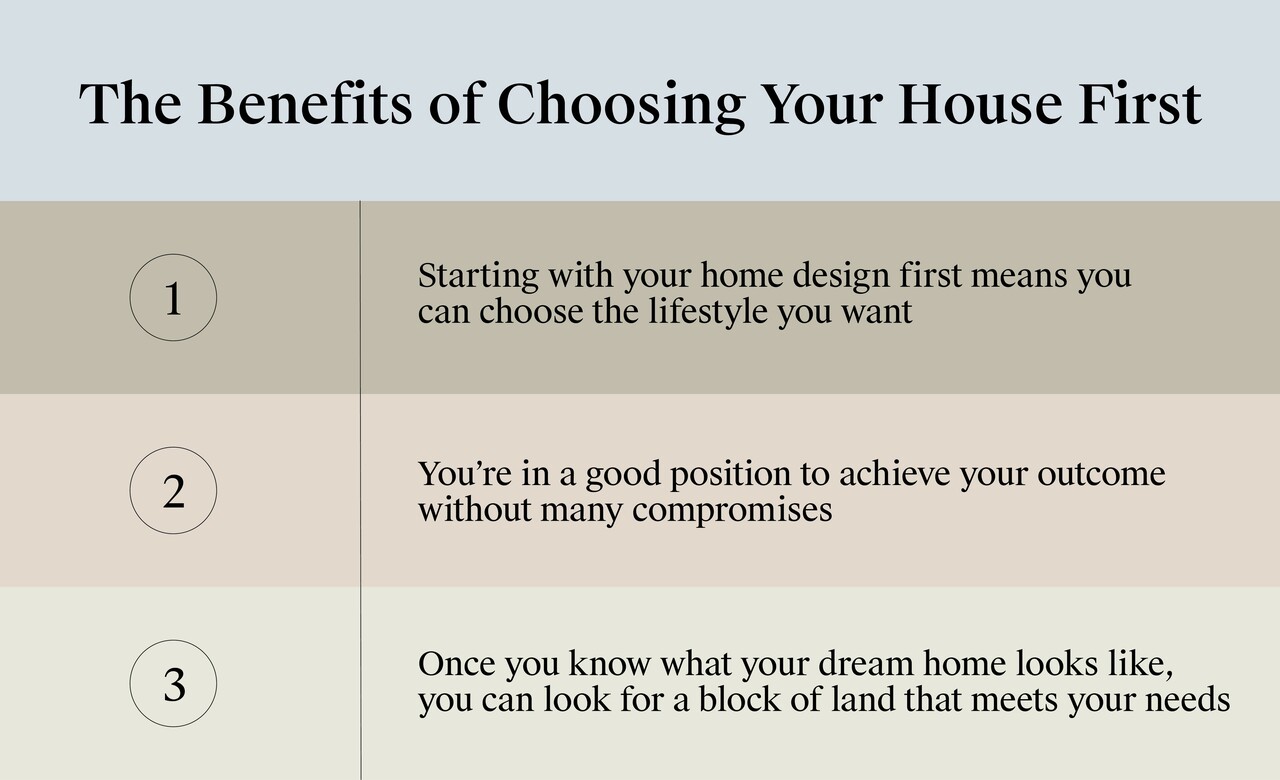
Choosing your home design first often provides more flexibility than buying land first. While a land-first approach can limit your options, a design-first approach helps you find a block that suits your home from the start.
Why a design-first approach works:
- Clear direction when searching for land: Knowing your preferred floorplan helps you identify blocks that suit your design, making it easier to assess the value of the land before you sign the contract.
- Fewer design compromises: You’re less likely to adjust layouts or room sizes to fit block restrictions, unlike buying an existing property, where the design is already fixed.
- More control over costs: Aligning your design with the right block early can help avoid unexpected site costs and reduce the risk of redesigns.
- Better alignment with your lifestyle: Your home is designed around how you want to live, rather than being shaped by land constraints.
How to match a house design to the right block of land
Once you’ve chosen your home design, the next step is to choose the right block of land that supports it. Matching your design to the land size, orientation and location helps ensure the land works with your plans, not against them.
- Check land size and dimensions: Ensure the land size suits your floorplan, including setbacks, outdoor space and garage access.
- Consider orientation and sunlight: Positioning your home correctly can improve natural light, energy efficiency and overall comfort.
- Review location and proximity: Proximity to schools, transport and amenities can influence both lifestyle and long-term value.
- Confirm site suitability early: Ensuring the land aligns with your design before purchase helps avoid costly changes later.
- Understand potential constraints: Be aware of common pitfalls of buying land, such as easements, slope or irregular shapes that may limit your design.
Taking a design-first approach makes it easier to find land that fits your home, reducing risk and creating a smoother building experience.
Why house and land packages simplify the building process
Instead of buying a house and land separately, house and land packages combine both elements into a streamlined solution, making it easier to manage your new build from the start. By aligning the home design with the block upfront, this approach reduces complexity and removes much of the uncertainty in the purchasing process.
Because the home has already been matched to the land, you can ensure the design suits the site conditions. This means fewer compromises, fewer delays and less risk of costly changes later.
House and land packages also offer greater cost clarity, helping you understand upfront expenses and when you’ll need to pay stamp duty on the land component. With fewer moving parts, this creates a smoother, more predictable pathway to building your home.
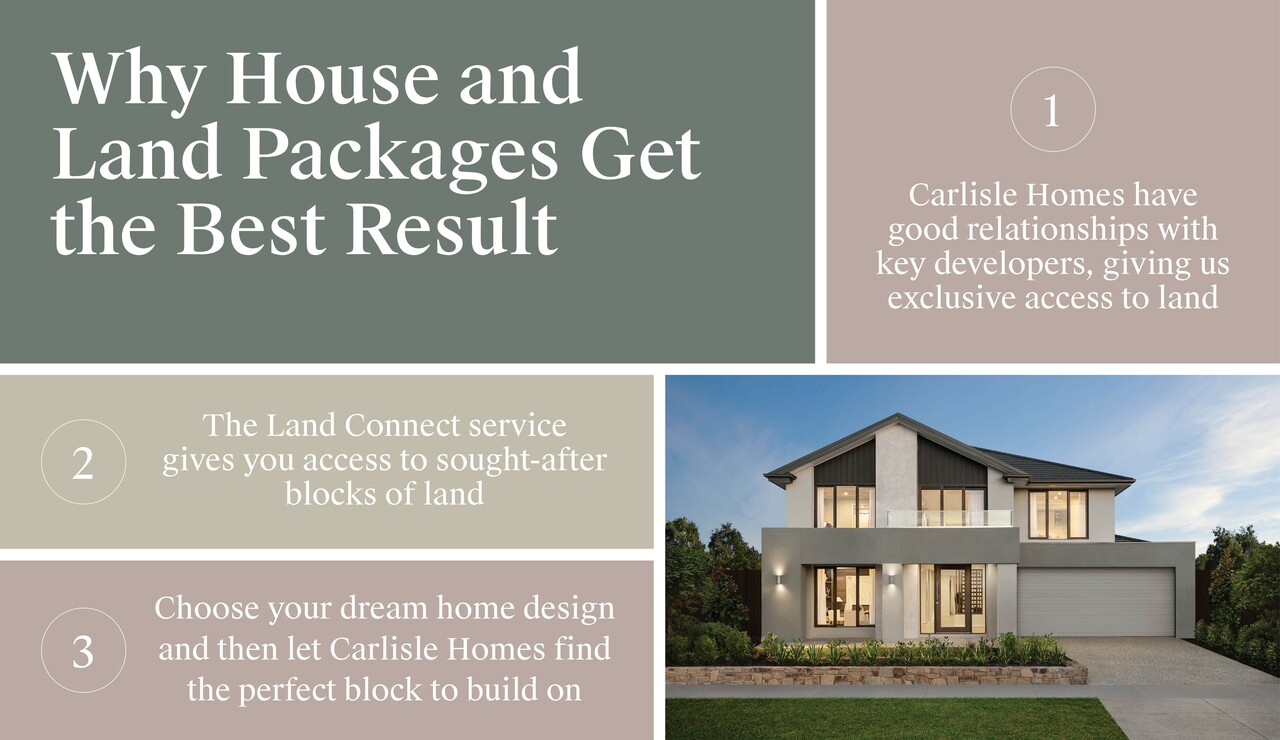
Advantages and financial benefits of house and land packages
House and land packages offer a practical solution for buyers who want more certainty when building, combining financial clarity with a simplified purchasing process.
- Greater cost certainty: House and land packages provide clearer pricing upfront, helping you make a more confident financial decision.
- Reduced stamp duty costs: In most cases, stamp duty is only applied to the land component, not the completed brand-new home, which can reduce overall costs.
- Simplified purchasing process: Bundling land and home together makes the process easier to manage, especially for buyers who want a more straightforward pathway.
- Better value for money: Packages are designed to maximise the value of the land and home together, supporting long-term investment outcomes.
- Streamlined finance and approvals: With fewer variables, organising your home loan and approvals can be more efficient.
Already have land? Building your new home on your own block
If you already own land, you can move straight into the building process by designing a home that suits your block, budget and lifestyle.
How to build a new house on your own block
- Assess your land: Review site conditions, access and any constraints that may affect your design.
- Choose your home design: Select a home that suits your block size, orientation and how you want to live.
- Check planning requirements: Understand council regulations, building permits and any overlays that apply.
- Confirm budget and finance: Plan for site costs and organise your home loan before moving forward.
- Sign the contract and begin the process: Once everything aligns, you can proceed with confidence and start building.
Building on your own block gives you flexibility and control, allowing you to create a home that fits your land and long-term goals.
Are you a first home buyer? Why house and land packages can help
For first home buyers, house and land packages offer a more accessible way to enter the property market, especially when building your first home. Along with a simpler process, buyers may also benefit from government support that reduces upfront costs.
- Access to the First Home Owner Grant (FHOG): Eligible buyers receive a grant or financial support from the Australian Government when they build a new house, helping reduce the cost of getting started.
- Simplified buying process: Everything is organised together, making it easier to move from buying plot to construction with a clear pathway.
- More accessible home loan options: Financing can be more straightforward when land and build are aligned, helping you secure a suitable home loan.
- Confidence to build a new house: Following a streamlined process from land purchase through home selection and approval reduces uncertainty and supports better decision-making.
- Stronger long-term value: The benefits of buying land and building include creating a home tailored to your needs, rather than adapting an existing property.
Key factors to consider when deciding between land or house first
Deciding whether to buy land or choose a house design first depends on your goals, budget and timeline. There’s no one-size-fits-all answer, but understanding the key factors can help you make a more confident decision.
- Your long-term goals: If you’re planning to build your own house vs buying, think about whether you want a personalised home or the convenience of an existing property.
- Budget and financing: Your budget will influence whether it’s better to secure land first or focus on a home design. Consider how land costs, build costs, and your home loan will work together.
- Location and opportunity: In some cases, you may be considering options like “should I buy the land next to my house” to expand or rebuild. Location can play a big role in your decision.
- Flexibility vs certainty: Buying land first offers flexibility in timing, while choosing a design first can provide more certainty in what you can build.
- Timing of your build: If you plan to buy land first and build later, ensure you understand how delays may impact costs and approvals.
Ultimately, whether you’re trying to decide whether to buy or build a home, aligning your land, design, and budget from the start will lead to a smoother, more successful outcome.
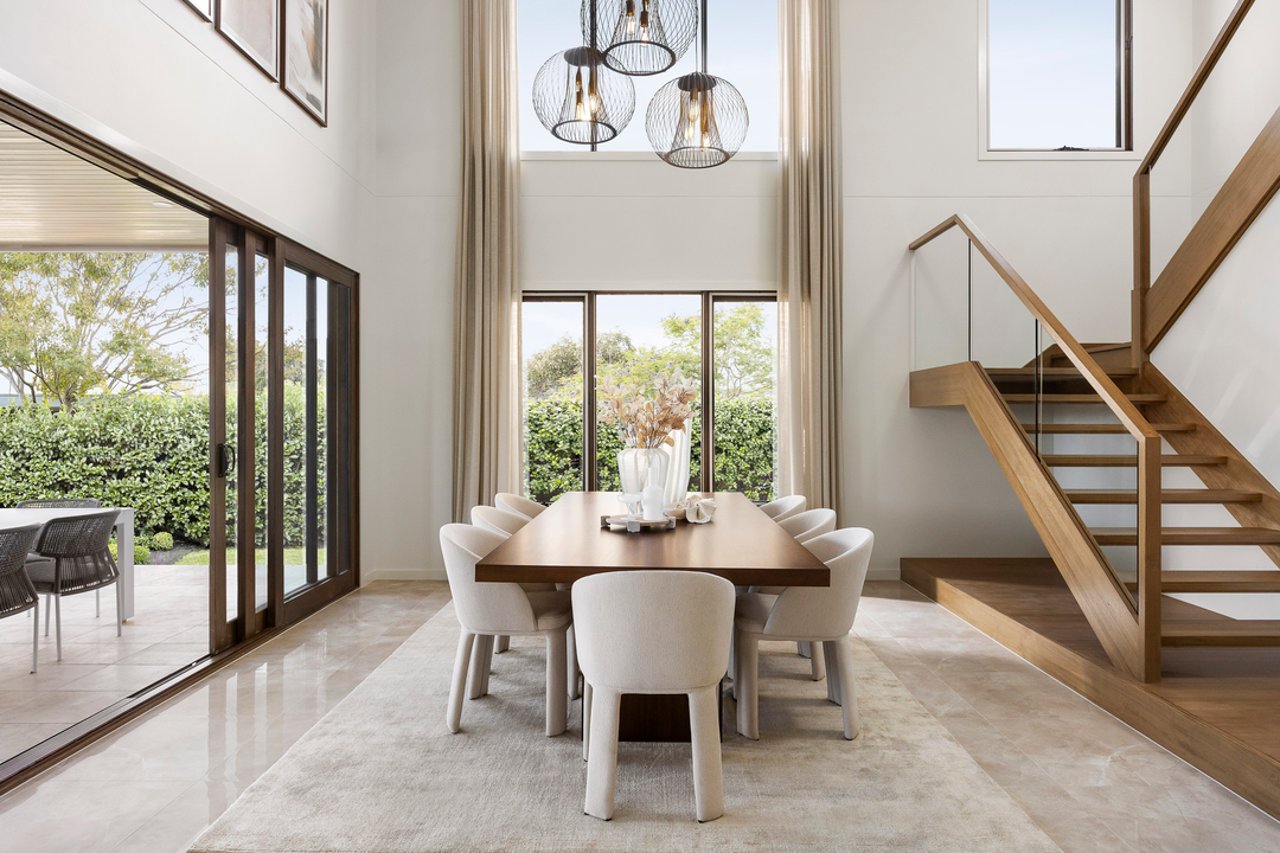
Start building with Carlisle Homes
Starting your home-buying journey with Carlisle Homes means having expert guidance at every stage, from choosing land to seeing your house built with care and quality.
Whether you’re buying land, selecting a home design or exploring house and land packages, Carlisle simplifies the process and helps you start the process with confidence. With a wide range of home designs and tailored solutions, you can move forward knowing your home is designed to suit your lifestyle, budget and future plans.