
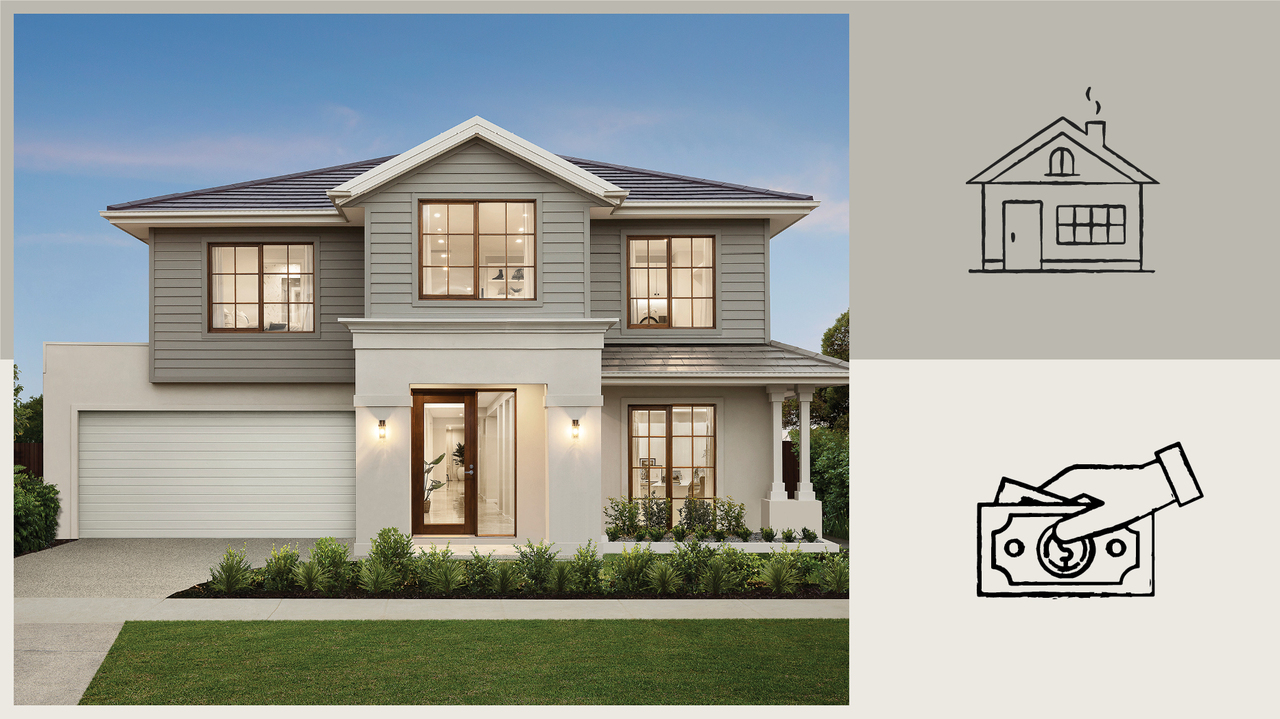
What should you do before starting your knockdown and rebuild?
Before you begin your knockdown rebuild, early planning is essential for confirming feasibility, setting expectations and ensuring your project stays on track. This stage helps you understand whether your block is suitable, what your budget needs to include, and how long your rebuild process might take from demolition to handover. It’s also the ideal time to clarify what you want from your new home so you can shortlist floorplans and design options with confidence.
Use this rebuild checklist to guide your first steps:
- Define your budget — include demolition, site preparation, permits, construction, landscaping and temporary accommodation.
- Assess your site — understand slope, soil conditions, easements, orientation and access constraints.
- Check zoning, overlays and planning requirements — these shape what can be built and may affect your timeline.
- Research suitable home designs — find floorplans that align with your block shape, natural light goals and long-term lifestyle needs.
- Speak with an experienced knockdown rebuild specialist — early expert advice helps you avoid costly mistakes and move forward with clarity.
What approvals and permits do you need to secure?
Before any demolition or construction can begin, you’ll need to work through the essential approvals that make your knock-down rebuild legally compliant. These permits confirm what can be built on your block and outline the conditions you must meet throughout the rebuild process. Securing them early helps prevent delays, redesigns and unexpected costs.
Here’s a simple knockdown rebuild permit checklist to guide you:
- Planning permit
Your local council may require a planning permit depending on zoning, overlays, setbacks, heritage considerations or neighbourhood character guidelines. - Demolition permit
This permit authorises the safe removal of the existing home and confirms compliance with regulations relating to asbestos, waste disposal and protection of neighbouring properties. - Building permit
Once your plans meet all relevant standards, a registered building surveyor issues a building permit approving the construction of your new home. Consult the Victorian Building Authority for the relevant building permits.
These approvals form the foundation of a compliant, stress-free knockdown rebuild. They can also be the basis of your knockdown rebuild project cost estimates.

What should you organise before demolition day?
Preparing your property well in advance of demolition is essential for keeping your knock down rebuild on schedule and avoiding unexpected costs. This stage ensures your site is safe, compliant and fully ready for the demolition contractor to begin work.
Taking these steps early helps you minimise delays:
- Disconnect essential services — arrange shut-off for electricity, gas, water and telecommunications to ensure a safe demolition environment.
- Complete asbestos testing and removal — older homes may contain hazardous materials that require licensed professionals to remove.
- Clear structures and personal items — sheds, fencing, outdoor features and belongings should be removed or relocated prior to demolition.
- Plan for salvage or recycling — consider which existing materials (such as bricks, fixtures or timber) can be reused or recycled to reduce waste.
- Confirm access requirements — ensure demolition trucks and machinery can reach the site without obstruction from narrow streets, low powerlines or parking constraints.
What key milestones should you track during the rebuild?
Once construction begins, following the major build stages will help you understand how your new home is progressing and ensure everything stays on schedule. Each milestone represents a quality checkpoint in the home building process checklist, giving you confidence that your knockdown rebuild is moving forward as planned.
Here are the key stages to track:
- Site preparation
Your block is levelled, cleared and prepared for construction, including final surveys and fencing where required. - Slab stage
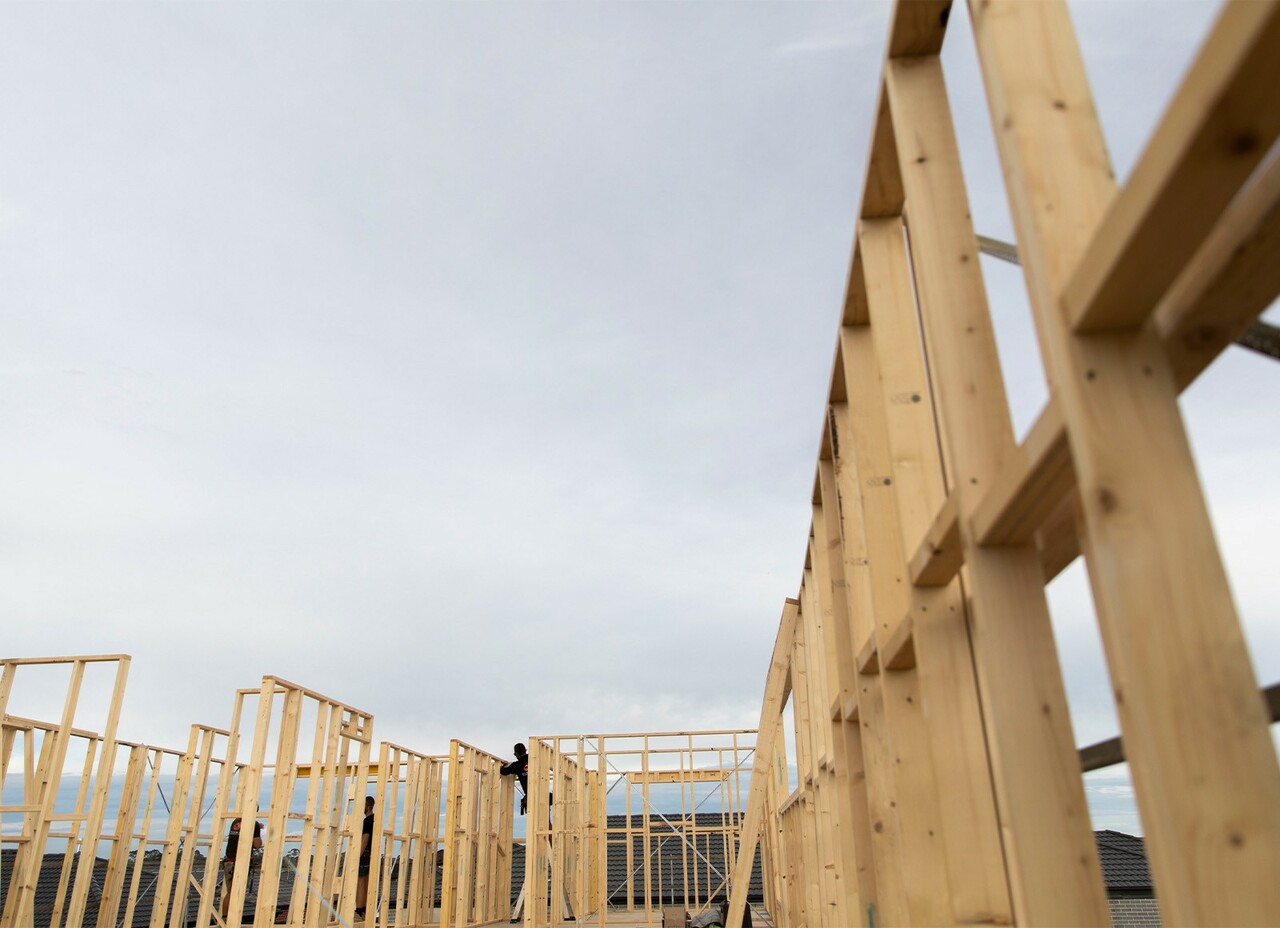
Concrete footings and the slab are poured based on your soil conditions and engineering requirements — forming the structural foundation of your new home. - Frame stage
External and internal framing is completed, establishing the layout and shape of your future spaces. - Lock-up stage
External walls, doors and windows are installed, allowing the interior to be secured and protected from the elements. - Fixing stage
Internal elements such as plaster, cabinetry, skirting and shelving are added, bringing your home’s design to life. - Completion and final inspections
Final finishes, quality checks and compliance inspections take place before handover.
For a deeper look at what happens throughout the construction process, our blog breaks down the knockdown rebuild process in detail — a useful companion as you track your progress throughout the build.

- Reviews: It’s a good idea to look for builders that have a proven reputation in the knockdown and rebuild market. Read reviews and testimonials from past clients. At Carlisle Homes, we pride ourselves on our 4.7-star-rating on Productreview.com.au from over 8,500 reviews. To help you with your decision-making journey, you can also explore our real customer stories, where you can hear first-hand from our customers.
Ready to tick off your knockdown rebuild checklist?
A knock-down rebuild comes with many moving parts, but having a clear checklist makes it easier to stay organised, understand your rebuild timeline and make confident decisions at every stage. With the right planning and the support of experienced specialists, your new home journey can be smooth, predictable and genuinely exciting from day one.
Our team can guide you through your site assessment, approvals and design choice. Start your journey today by booking a consultation with a Carlisle knockdown rebuild specialist.