How stamp duty works for house and land packages in Australia
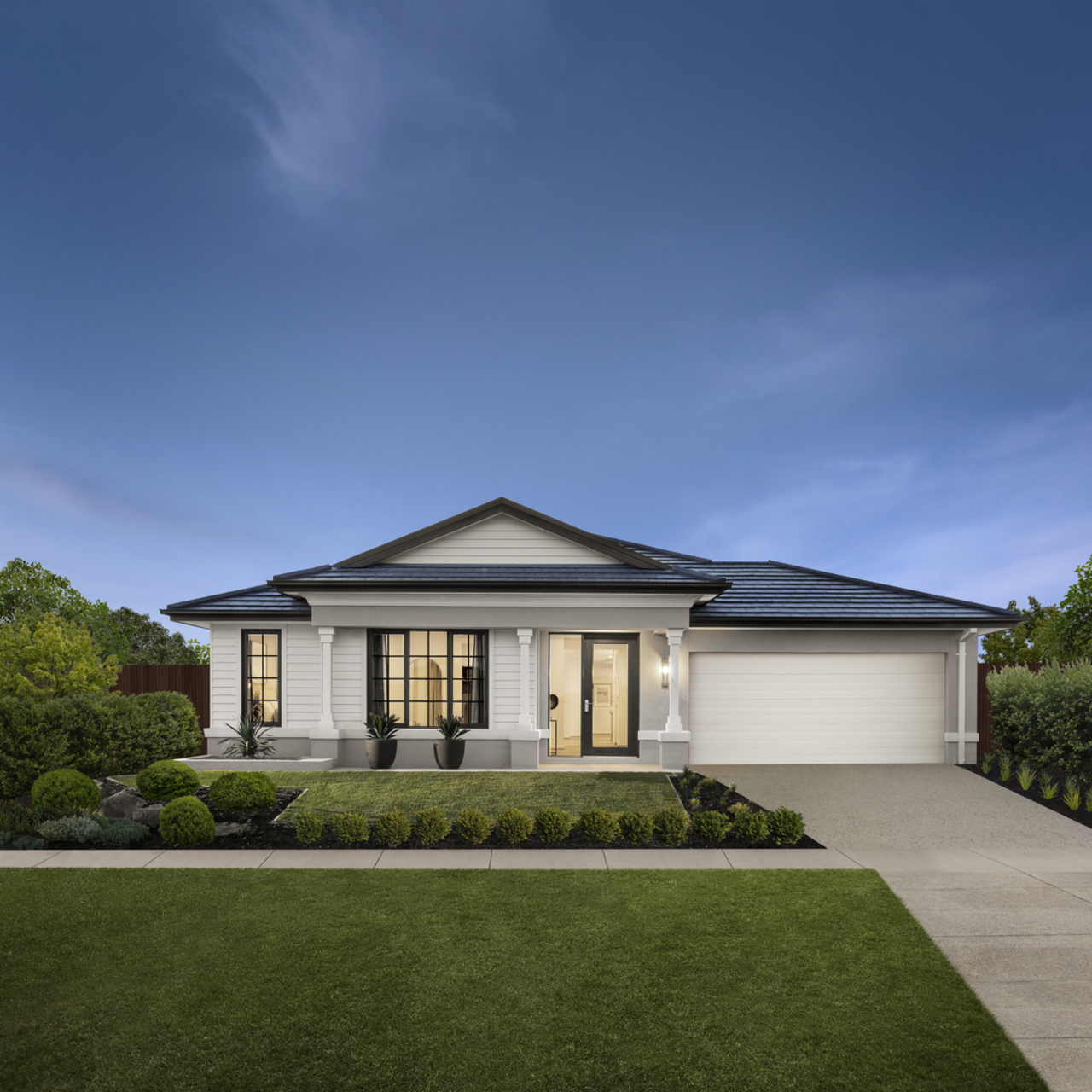
Stamp duty on house and land packages in Australia is calculated on the land value only, not the completed home value. Because the build contract is separate, buyers often pay less stamp duty compared to purchasing an established home.
Buying a new home is an exciting step, but understanding the costs involved is just as important. This guide explains what stamp duty is, how it’s calculated, and how house and land packages can help reduce your upfront costs.
What stamp duty is and why home buyers need to pay it
Stamp duty is a government charge applied to property transactions across Australia. Also referred to as transfer duty, it forms part of the legal process when ownership of land or a home is transferred to a buyer.
For home buyers, this means stamp duty is typically payable when purchasing land, an established home, or entering into a contract to buy property. The amount varies by state and is influenced by the purchase price and property type.
Understanding this cost early in your journey helps create a clearer pathway to home ownership and supports more confident financial planning.
How stamp duty is calculated for house and land packages
Stamp duty for house and land packages is calculated based on the value of the land only, not the total value of the completed home. This is because the land purchase and the home build are separate contracts.
Here’s how the calculation typically works:
- You pay stamp duty when you purchase the land
- The duty is calculated using the land purchase price
- State government rates are then applied to determine the final amount payable
For example, if you purchase land for $350,000 and later sign a separate building contract, stamp duty is only calculated on the $350,000 land value, not the full house and land package price.
Because of this structure, stamp duty costs for house and land packages are often lower than buying an established home at the same total value. To know how much stamp duty you might need to pay when you buy a property in Victoria, use our stamp duty calculator.
Why house and land packages can reduce the amount of stamp duty you pay
One of the biggest advantages of house and land packages is the potential to reduce how much stamp duty you pay. This comes down to how the purchase is structured.
When you buy a house and land package:
- You pay stamp duty on the land only
- The cost of building your home is excluded from the calculation
- The contracts for land and construction are separate
In contrast, when buying an established home, stamp duty is applied to the full purchase price. This difference can result in noticeable savings, especially for first home buyers or those working within a set budget.
Stamp duty exemptions and concessions for first home buyers
Government support for first home buyers continues to expand, with official resources like First Home Buyers government programs bringing together the latest schemes and eligibility tools in one place. These programs include options like low-deposit home loans, shared equity schemes, and grants designed to reduce upfront costs and help more Australians enter the property market sooner.
Stamp duty exemptions for first home buyers can significantly reduce the cost of buying property in Australia. Depending on your state or territory, you may qualify for a full exemption or a reduced rate.
Here’s what to keep in mind:
- Eligibility rules differ across Australian states
- Concessions often apply to new builds or vacant land purchases
- Income limits and property value caps may apply
- You must usually live in the home as your principal place of residence
Because house and land packages involve purchasing land first, many first home buyers may be eligible for concessions on the land component, helping lower overall costs.
Stamp duty differences across Australian states
Stamp duty rules in Australia vary depending on the state or territory where you’re buying property. Each state sets its own rates, thresholds, and concessions, which can significantly affect how much you pay.
Here’s a general comparison across major states:
|
State |
Key stamp duty features |
First home buyer concessions |
|---|---|---|
|
VIC |
Rates based on property value with tiered thresholds |
Exemptions and discounts for eligible first home buyers on new homes and land |
|
NSW |
Progressive rates with potential concessions for lower-value properties |
Full or partial exemptions depending on property value and eligibility |
|
QLD |
Transfer duty calculated on a sliding scale |
Concessions available, particularly for first home buyers purchasing new homes or land |
|
SA |
Stamp duty applies to most property purchases |
Limited concessions, but benefits may apply for new builds |
|
WA |
Tiered duty rates based on property value |
Concessions available for first home buyers, especially on vacant land |
|
TAS |
Standard transfer duty rates apply |
Some concessions available depending on eligibility |
Because these rules can change and vary widely, it’s important to check the latest requirements in your state before purchasing a house and land package.
How to estimate stamp duty for a house and land package
To estimate how much stamp duty you’ll need to pay on a house and land package, you only need a few key details. Because duty is calculated on the land component, your estimate will be based on that value rather than the full home price.
Follow these simple steps:
- Start with the land purchase price
- Choose your state, as rates vary across Australia
- Use a stamp duty calculator to see how much transfer duty applies
- Factor in any first home buyer concessions you may be eligible for
Using a calculator to see how much stamp duty you’ll pay can give you a clearer picture of your total costs before committing to your new home.
Other costs to consider when buying a house and land package
While stamp duty is one of the key upfront costs, it’s not the only expense to factor in when purchasing a house and land package. Understanding the full cost of buying land and building can help you budget more accurately and avoid unexpected surprises.
Some of the additional costs to consider include:
- Conveyancing and legal fees: These cover the legal work involved in transferring land ownership and reviewing contracts.
- Loan and mortgage fees: This may include application fees, lender’s mortgage insurance (if applicable), and ongoing loan costs.
- Site costs: Depending on the block of land, you may need to allow for costs related to soil quality, slope, drainage, or site preparation before building begins.
- Utility connections: Connecting essential services such as water, electricity, gas, and internet can add to your overall budget.
- Council fees and permits: Local council charges and approvals may apply during the building process.
- Home design upgrades and inclusions: Personalising your home design with additional features or finishes can increase the total cost of your build.
Because house and land packages separate the land purchase from the home build, these costs are often spread across different stages. Taking the time to understand each component can help you plan your finances with greater confidence throughout your home buying journey.
Are house and land packages a smart way to minimise stamp duty?
House and land packages can be a smart way to minimise stamp duty, particularly when compared to buying an established home. This is because stamp duty is typically calculated on the land value only, rather than the full value of a completed property.
However, whether it’s the right approach depends on your goals, budget, and timeline.
Potential advantages
- Lower stamp duty costs: You only pay stamp duty on the land component, which can result in noticeable savings.
- Access to first home buyer concessions: Eligible buyers may benefit from additional reductions or exemptions, especially when purchasing vacant land to build.
- More control over upfront costs: Costs are often spread across the land purchase and construction stages, making budgeting more manageable.
- New home benefits: Building a new home may reduce maintenance costs and offer modern design features suited to your lifestyle.
Things to consider
- Separate contracts and timing: You’ll be managing both a land purchase and a building contract, which may involve different processes and timelines.
- Additional costs beyond stamp duty: Site costs, upgrades, and financing expenses still need to be factored into your total budget.
- Location and land availability: House and land packages are often in new housing estates, which may differ from established suburbs.
For many home buyers, particularly first home buyers, house and land packages offer a practical pathway to reducing stamp duty while building a personalised home that suits their needs.
Explore Carlisle Homes’ house and land packages
Carlisle Homes offers a wide range of house and land packages designed to simplify the path to home ownership while helping you manage upfront costs, including stamp duty. With a strong reputation for quality, thoughtful home design, and customer-focused support, Carlisle guides you through every stage of building with confidence.
As Victoria’s number 1 builder 2022, Carlisle combines experience, choice, and a smooth building process to help you create a home that suits your lifestyle and budget. Explore Carlisle’s house and land packages today.