How much percentage of income do you need to earn to afford a home in Australia?

If you are planning to buy a home, understanding how much you need to earn is a crucial first step. Median house prices provide a useful benchmark, but affordability ultimately depends on your income, borrowing capacity, and ability to manage mortgage repayments over time.
While lenders use specific criteria to assess home loan applications, every financial situation is different. To avoid mortgage stress, it is important to ensure your repayments suit your lifestyle and remain manageable if interest rates were to rise.
What is the current median house price and what does that mean for buyers?
The median house price represents the midpoint of all property prices in a given market, meaning half of homes sell for more and half sell for less. In Australia, median prices are often used as a benchmark to help buyers understand general affordability and lending expectations.
For buyers, the median house price provides a useful starting point when estimating how much income may be required to afford a home. However, it is important to remember that this figure does not reflect individual circumstances. Factors such as location, property type, deposit size, and interest rates can all influence the size of your home loan and your ongoing mortgage repayments.
Understanding the median price helps buyers compare their income against typical borrowing scenarios. From there, assessing what income you need for a mortgage becomes more realistic when repayments are considered alongside living expenses and long-term financial commitments.
How does your deposit size affect how much you need to earn for a home loan?
Your deposit size plays a significant role in determining how much you need to earn to afford a home. A larger deposit can reduce the size of your home loan and lower ongoing mortgage repayments, which may help improve affordability. Key impacts include:
- Lower home loan amount: A higher deposit reduces the amount you need to borrow, which directly lowers your mortgage repayments and improves your salary to mortgage ratio.
- Reduced repayment pressure: Smaller repayments mean a lower percentage of your income is allocated to housing costs, helping you avoid mortgage stress.
- Improved borrowing power: Lenders may be more willing to offer favourable borrowing terms when your deposit reduces overall risk.
- Lower interest costs over time: Borrowing less can significantly reduce the total interest paid across the life of the home loan.
- Potential to avoid lenders mortgage insurance (LMI): A deposit of 20 percent or more may allow you to avoid LMI, reducing upfront costs and long-term expenses.
- Greater flexibility if interest rates rise: Lower repayments provide a buffer if interest rates increase, helping repayments remain manageable relative to your income.
How do interest rates and loan terms influence borrowing power in Australia?
Interest rates and loan terms have a direct impact on borrowing power and how much income you need to earn to afford a home loan. Even small changes in the interest rate can significantly affect mortgage repayments, which is why lenders place strong emphasis on serviceability when assessing applications.
When interest rates are higher, a larger portion of your income is required to cover home loan repayments. This reduces borrowing power and can increase the risk of mortgage stress if repayments take up too high a percentage of income. Conversely, lower interest rates generally allow borrowers to qualify for a higher loan amount, as repayments are more manageable relative to income.
Loan terms also influence affordability. A longer loan term can reduce monthly mortgage repayments, making them easier to manage within your salary. However, this often results in higher total interest paid over the life of the home loan. Shorter loan terms typically increase repayments but may reduce long-term interest costs, which can be appealing for borrowers with higher or more stable incomes.
Lenders also apply a serviceability buffer when assessing borrowing power. This means they calculate repayments at a higher interest rate than the advertised rate to ensure borrowers can cope if rates were to rise. As a result, borrowing power may be lower than expected, even when current rates appear competitive.
Knowing how interest rates, loan terms, and lender assessments interact can help you better evaluate how much you can borrow, especially if you’re buying a home for the first time, and what income level is required to support repayments comfortably. This insight is crucial when considering whether loan terms influence borrowing and long-term affordability.

What percentage of income do you actually need to afford the median home?
To understand how much you need to earn to afford the median home, it helps to break the calculation down into practical steps. This approach reflects how lenders assess affordability while also helping you avoid mortgage stress.
Step 1: Start with the median house price
The median house price represents the midpoint of property values in a given market and is commonly used as a benchmark for affordability in Australia. While it does not reflect every buyer’s situation, it provides a useful starting point for estimating the size of a typical home loan.
Using the median house price allows buyers to compare their income against common borrowing scenarios. However, it is important to remember that prices vary by location, property type, and demand. As a result, the median price should be viewed as a guide rather than a fixed target when assessing what you are able to afford.
Step 2: Factor in your deposit
Your deposit plays a major role in determining how much you need to borrow and how affordable your mortgage repayments will be. A larger deposit reduces the loan amount, which can significantly improve your salary to mortgage ratio by lowering the percentage of income required for repayments.
In addition to reducing ongoing repayments, a higher deposit may improve borrowing power and help you avoid additional costs such as lenders mortgage insurance. For many first home buyers, increasing the deposit even slightly can make a noticeable difference to long-term affordability and financial flexibility.
Step 3: Calculate estimated mortgage repayments
Mortgage repayments are influenced by several factors, including the size of the home loan, the interest rate, and the loan term. Even small changes in interest rates can have a significant impact on repayment amounts, particularly over a long loan period.
When estimating repayments, it is important to consider whether they remain manageable alongside everyday living expenses. Looking beyond the minimum repayment and understanding how repayments may change over time can help reduce the risk of mortgage stress and support more informed borrowing decisions.
Step 4: Compare repayments to your gross income
A commonly used affordability guide is to limit mortgage repayments to around 30 percent of gross income. This percentage of income benchmark is often referenced when discussing mortgage stress, as higher ratios can place pressure on household budgets.
That said, this guideline does not suit every financial situation. Some households may comfortably manage a higher percentage due to lower living expenses, while others may struggle at lower levels. Comparing repayments against your gross income helps you assess whether the home loan is realistic for your lifestyle and long-term goals.
Step 5: Consider lender serviceability buffers
When assessing home loan applications, lenders apply a serviceability buffer to test whether borrowers could still afford repayments if interest rates were to rise. This means repayments are calculated at a higher interest rate than the advertised rate.
As a result, borrowing power may be lower than expected, even if your current income appears sufficient. Understanding how lenders assess serviceability can help you better estimate how much you need to earn and avoid overextending yourself when taking on a mortgage.
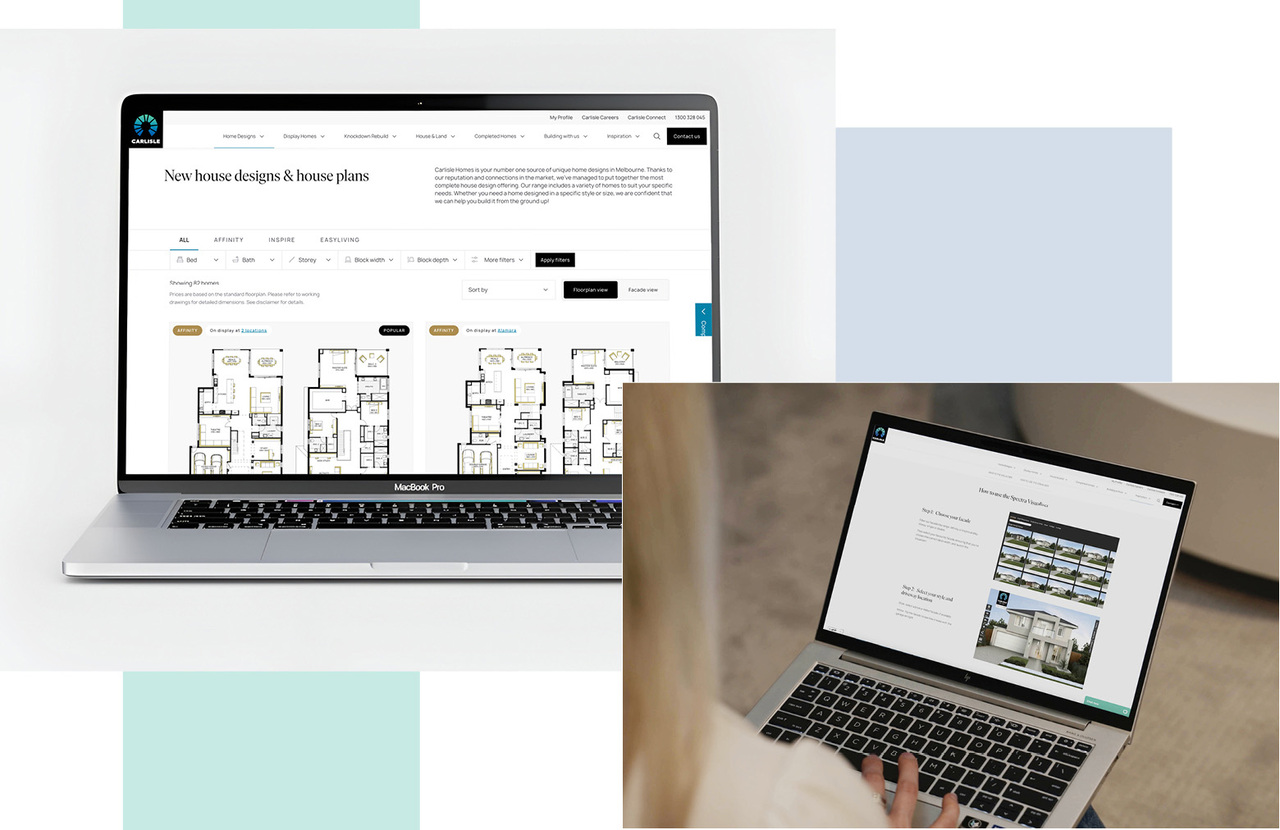
Ready to find a home that fits your budget?
Once you understand how your income, borrowing power, and expected home loan repayments work together, it becomes easier to choose a price range that feels realistic. Keeping an eye on your salary to mortgage ratio can also help you avoid mortgage stress, especially if interest rates change. Get in touch with us today to take the next step with confidence and clarity.