First Home Super Saver Scheme vs. saving for a deposit: Which is better for first home buyers?

Buying your first home is exciting, but it can also feel overwhelming when navigating grants, lenders, contracts and eligibility rules for the first time. While the First Home Owner Grant (FHOG) is designed to help first home buyers enter the property market, many buyers still make avoidable mistakes that can lead to delays, unexpected costs, or eligibility issues.
From misunderstanding occupancy requirements to overlooking additional costs when building a new home, small mistakes can have a bigger financial impact than many first-time buyers expect.
We explain the most common first home owner grant mistakes and how to avoid them so you can move forward with greater confidence during your home-buying experience.
What are the most common mistakes with the First Home Owner Grant?
The First Home Owner Grant is designed to help first home buyers enter the property market, but many buyers still run into avoidable issues during the application and planning process.
Some mistakes occur because buyers misunderstand eligibility rules, while others stem from poor timing, incorrect contracts, or unrealistic budgeting expectations. In some cases, buyers may even risk losing grant eligibility altogether.
For many first home buyers in Australia, the most common mistakes include:
- misunderstanding property eligibility requirements
- missing important application deadlines
- overlooking occupancy rules
- assuming the grant covers all upfront costs
- overestimating borrowing power because of the grant
When buying or building a new home, understanding how the FHOG works before signing contracts or applying for finance can help create a smoother and more informed home-buying experience.
| Feature | FHSS scheme | Traditional savings |
| How savings grow | Through voluntary super contributions and associated earnings | Through personal savings and bank interest |
| Tax treatment | Concessional tax treatment may heplp savings grow faster | Savings are generally made using after-tax incom |
| Accessibility | Funds must be released through the ATO under FHSS rules | Money can usually be accessed at anytime |
| Flexibility | Strict contribution and withdrawal conditions apply | Greater flexibility for changing plans or expenses |
| Contribution limits | Annual and total FHSS contribution caps apply | No formal saving limits |
| Best suited to | Buyers focused on tas advantages and long-term planning | Buyers wanting immediate access and simpler budgeting |
| Property use | Must be used to buy or build a house | Can be used for any purpose |
| Withdrawal process | Requires an FHSS determination and release request | Direct access through your bank account |
How much can you save with FHSSS compared to a regular savings plan?
For some first home buyers, the FHSS scheme may help grow a deposit faster because voluntary super contributions are generally taxed at 15% rather than at your full marginal tax rate. That difference can leave more money available to contribute towards your first home deposit over time.
As of current FHSS rules, eligible buyers can contribute up to $15,000 per financial year and withdraw up to $50,000 in eligible voluntary contributions, plus associated earnings. Buyers saving through a regular bank account are not limited by FHSS contribution caps, but they also do not receive the same tax advantages.
Example scenario: FHSSS vs regular savings
A buyer earning $95,000 per year who sacrifices $10,000 into super may pay 15% contributions tax instead of their marginal income tax rate plus Medicare levy. That could leave roughly an extra $1,950 invested towards their deposit compared with saving the same amount from after-tax income.
Over several financial years, the difference can become more noticeable:
- Saving $15,000 per year through FHSS contributions for 3 years could result in around $45,000 in eligible contributions, plus associated earnings
- Saving the same amount outside super may provide easier access, but less tax-efficient growth
- Buyers using a high-interest savings account may earn interest rates between 4% and 5%, while super investment returns can vary depending on the fund and market performance
Costs and limits to consider
- FHSS contribution cap: up to $15,000 per financial year
- Maximum releasable amount: up to $50,000 in eligible contributions
- FHSS withdrawals may include applicable tax when funds are released
- Traditional savings accounts have no contribution caps or release conditions
- Savings outside super remain accessible for emergencies or changing plans
For buyers focused on long-term tax efficiency, the FHSS scheme may help save a deposit faster. Others may prefer the flexibility and immediate access offered by a regular savings account, especially when planning shorter-term property goals.
What are the tax benefits of using FHSSS?
According to the Australian Government, the FHSS scheme is designed to help first home buyers build a deposit in a more tax-effective way than saving entirely from after-tax income. Because eligible voluntary super contributions are generally taxed at a lower rate, some buyers may be able to save more towards a first home deposit over time.
Key FHSS tax benefits may include:
- Voluntary concessional contributions taxed at 15% within super
- Potential tax savings compared with higher marginal income tax rates
- Salary sacrifice contributions may reduce taxable income
- Associated earnings added to eligible FHSS releasable contributions
- Eligible buyers can contribute up to $15,000 per financial year
- Maximum releasable contribution limit of up to $50,000
- Non-concessional after-tax contributions may be withdrawn tax-free
- A 30% tax offset may apply when concessional contributions are released
- Tax-effective savings strategies may help buyers save a deposit faster
- Contributions made through super may create stronger long-term savings discipline
For higher-income buyers, the tax difference between regular savings and FHSS contributions can amount to thousands of dollars over multiple financial years.
What are the pros and cons of FHSSS vs saving for a deposit?
Both the FHSS scheme and traditional savings accounts can help first home buyers work towards a deposit, but each option suits different financial habits, timelines and goals. Some buyers prioritise tax-effective savings growth, while others value flexibility and immediate access to their money.
Using the FHSS scheme
The FHSS scheme may suit buyers who are comfortable locking savings into super contributions in exchange for potential tax advantages and structured long-term savings growth.
Advantages:
- Concessional tax treatment may help savings grow faster
- Salary sacrifice contributions can reduce taxable income
- Buyers can contribute up to $15,000 per financial year
- Up to $50,000 in eligible contributions can be released
- Associated earnings are added to FHSS releasable contributions
Limitations:
- Savings are not immediately accessible
- Strict ATO withdrawal and release rules apply
- Contribution caps limit how much can be saved through the scheme
- Funds must generally be used to buy or build your first home
Saving through a regular bank account
Traditional savings accounts may appeal to buyers who want full control over their money and the flexibility to adjust plans as their financial situation changes.
Advantages:
- Immediate access to savings at any time
- No contribution caps or release conditions
- Easier budgeting and financial flexibility
- Savings can be used for multiple goals beyond a home deposit
Limitations:
- Savings are made using after-tax income
- Lower tax advantages compared with FHSS contributions
- Interest earned may be lower than the long-term super growth potential
- Requires strong personal savings discipline over time
For some first home buyers, combining both approaches may strike a balance between tax efficiency and flexible access to savings.

Which option helps you save a deposit faster?
The answer often depends on your income level, contribution strategy and how disciplined your savings habits are. For some first home buyers, the FHSS scheme may help grow a deposit faster because concessional super contributions are generally taxed at 15% rather than at a higher marginal income tax rate.
Buyers using salary sacrifice arrangements may notice stronger long-term savings growth, particularly if they contribute consistently across multiple financial years. For example, someone contributing $10,000 annually through the FHSS scheme may retain more of their income for savings compared with contributing the same amount from after-tax pay into a regular bank account.
At the same time, traditional savings accounts offer flexibility and immediate access to funds, which may suit buyers planning to purchase sooner or those wanting greater control over their money. High-interest savings accounts can still support steady deposit growth, especially for buyers with strong budgeting habits and shorter-term savings goals.
For many buyers, the fastest approach may come down to balancing tax efficiency with accessibility. Some first home buyers choose to combine FHSS contributions with a regular savings account to build their deposit while still maintaining flexible emergency savings outside super.
Which option gives you more flexibility when buying a home?
For buyers prioritising flexibility, traditional savings accounts generally offer fewer restrictions compared with the FHSS scheme. Money saved outside super can usually be accessed immediately, making it easier to respond to changing property goals, unexpected expenses or shifts in the housing market.
With a regular savings account, buyers can use their funds for a deposit, stamp duty, moving costs or other financial priorities without needing approval through the Australian Taxation Office. There are also no contribution caps or release conditions tied to how the savings are used.
The FHSS scheme, on the other hand, includes stricter rules around contributions, withdrawal timing and property eligibility. Buyers must request an FHSS determination and complete a release request before using the funds to buy or build a home. While the scheme may offer stronger tax advantages, it provides less flexibility if plans change unexpectedly.
For some first home buyers, that trade-off is worthwhile in exchange for potential tax savings. Others may prefer the simplicity and control that comes with keeping savings readily accessible in a standard bank account.
Can you use FHSSS and regular savings together?
Many first home buyers choose to combine the FHSS scheme with a traditional savings account to create a more balanced deposit strategy. This approach may help buyers take advantage of FHSS tax benefits while still keeping some savings easily accessible for short-term expenses or unexpected costs.
Ways buyers may combine both strategies include:
- Using FHSS contributions to grow long-term deposit savings tax-effectively
- Keeping separate savings in a high-interest bank account for flexibility
- Using regular savings for stamp duty, legal fees or moving costs
- Building emergency savings outside super while contributing to FHSSS
- Combining salary sacrifice contributions with standard weekly savings habits
- Using FHSSS savings towards the main home deposit amount
- Maintaining accessible cash savings during the property search process
- Creating multiple savings streams to support buying or building goals
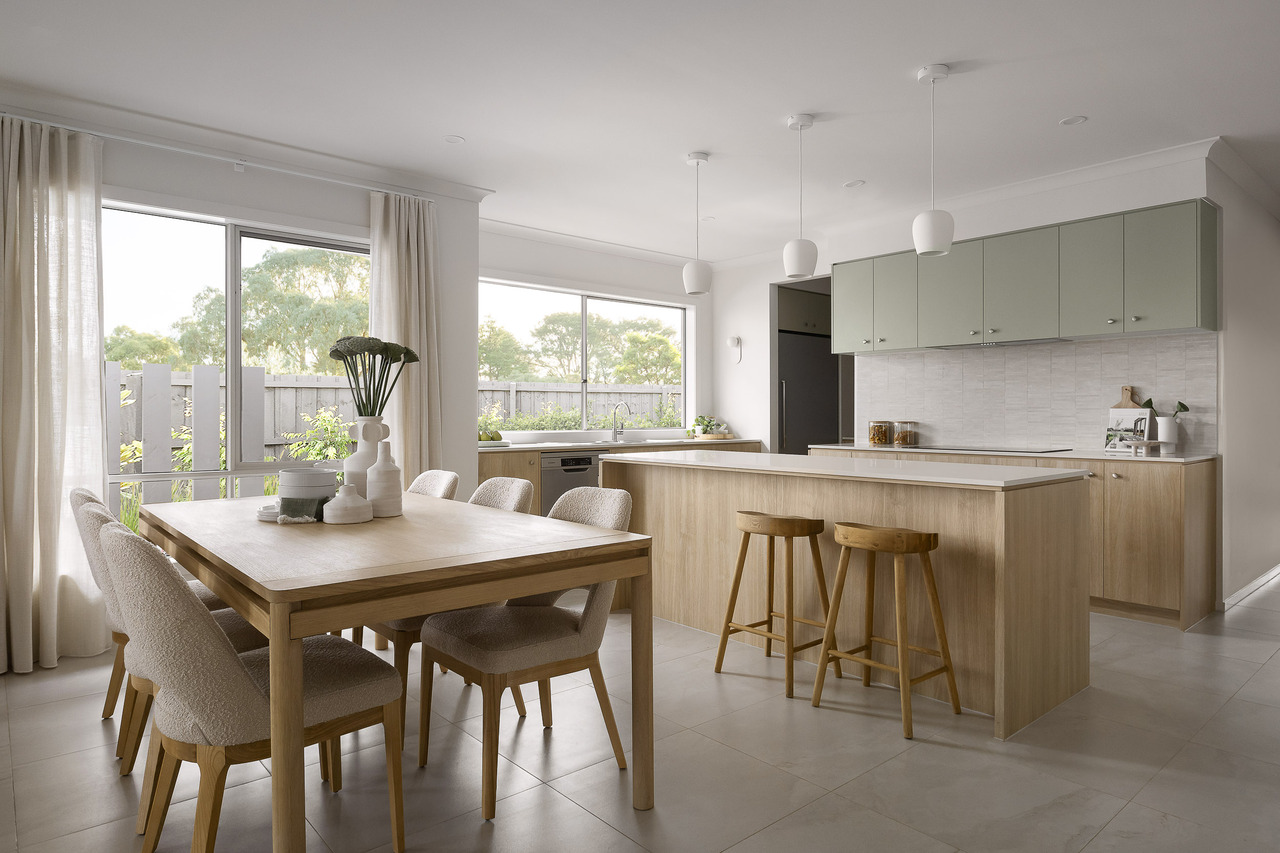
How FHSSS works when building a new home or house and land package
The FHSS scheme is not limited to buyers purchasing an existing property. Eligible first home buyers may also use FHSSS savings towards building a new home or securing a house and land package, provided the purchase and construction arrangements meet current scheme rules.
For buyers planning to build, released FHSS funds may contribute towards land deposits, building contracts, or other upfront costs associated with constructing a first home. This can provide more flexibility for buyers who want a personalised home design or prefer building in new growth areas across Melbourne and Regional Victoria.
At the same time, buyers should be aware that FHSSS withdrawal timelines and property purchase rules still apply when building. Contracts generally need to be signed within the required timeframe after funds are released, and buyers should keep copies of land agreements, construction contracts and related financial documents throughout the process.
House and land packages may also suit buyers seeking greater budget certainty, particularly when balancing deposit goals, land costs, and overall affordability throughout the home-buying journey.
What are the risks of relying on FHSSS vs saving traditionally?
Both the FHSS scheme and traditional savings strategies come with trade-offs, particularly around timing, accessibility and market conditions. The right approach often depends on how comfortable buyers are with restrictions, financial discipline and long-term planning.
Risks of relying on the FHSS scheme
The FHSS scheme may offer tax advantages, but it also comes with stricter rules and less flexibility compared with standard savings accounts.
Possible risks to consider include:
- Access to funds depends on ATO release rules and processing timeframes
- Contribution caps limit how much can be saved through the scheme
- Super investment returns can fluctuate depending on market performance
- Delays with FHSS determinations or release requests may affect purchase timing
- Buyers must generally sign a contract within required timeframes after release
- Changes to income or contribution patterns may affect savings goals
Risks of relying only on traditional savings
Traditional savings accounts offer easier access to funds, but they may require greater savings discipline and can lead to slower deposit growth.
Possible risks to consider include:
- Savings are made using after-tax income
- Lower interest rates may reduce long-term savings growth
- Easy access to funds may tempt buyers to spend savings elsewhere
- Rising property prices may outpace savings growth over time
- Buyers may need more time to build a suitable deposit
- Inflation can reduce the value of cash savings over longer periods
For some first home buyers, combining FHSS contributions with traditional savings may help balance tax efficiency, flexibility and risk management throughout the property journey.
When is FHSSS the better option for first home buyers?
The FHSS scheme may suit first home buyers who want to grow their deposit in a more tax-effective way over time. Buyers with stable incomes and the ability to make regular voluntary super contributions may benefit most from the scheme’s concessional tax treatment.
FHSSS can also appeal to buyers planning ahead for a new home build or house and land package, particularly when they have a longer savings timeline before purchasing. For higher-income earners, salary sacrifice contributions may help increase deposit savings faster compared with saving entirely from after-tax income.
However, buyers needing immediate access to savings or greater financial flexibility may find a traditional savings approach more suitable for their situation.

When is saving for a deposit outside super the better option?
Saving for a deposit outside super may suit buyers who want greater flexibility and easier access to their money throughout the home-buying journey. Traditional savings accounts can be especially helpful for buyers planning to purchase sooner or those wanting to keep funds available for unexpected expenses.
This approach may also suit buyers with changing financial circumstances, irregular income or shorter-term property goals. Because savings remain accessible at all times, buyers can more easily adjust their plans, cover upfront costs or respond to changes in the property market without needing to follow FHSSS withdrawal rules or contribution limits.
How Carlisle Homes can help you build once your deposit is ready
Getting your deposit sorted is a huge step, and from there, it’s all about finding a home that fits your lifestyle and budget. Whether you’re planning your first build, exploring house and land options or using our FHSSS calculator, we’re here to make the process feel clearer and more manageable from the very beginning.
With flexible floorplans, personalised design choices and support throughout the building journey, you can take the next step towards your first home with more confidence and excitement.

How Carlisle Homes helps buyers navigate the First Home Owner Grant when building
Building your first home can feel overwhelming when grants, contracts and eligibility rules are involved, but Carlisle Homes helps simplify the process with guidance tailored to first home buyers across Melbourne and Victoria. Speak with the team to better understand your pathway towards building with confidence.