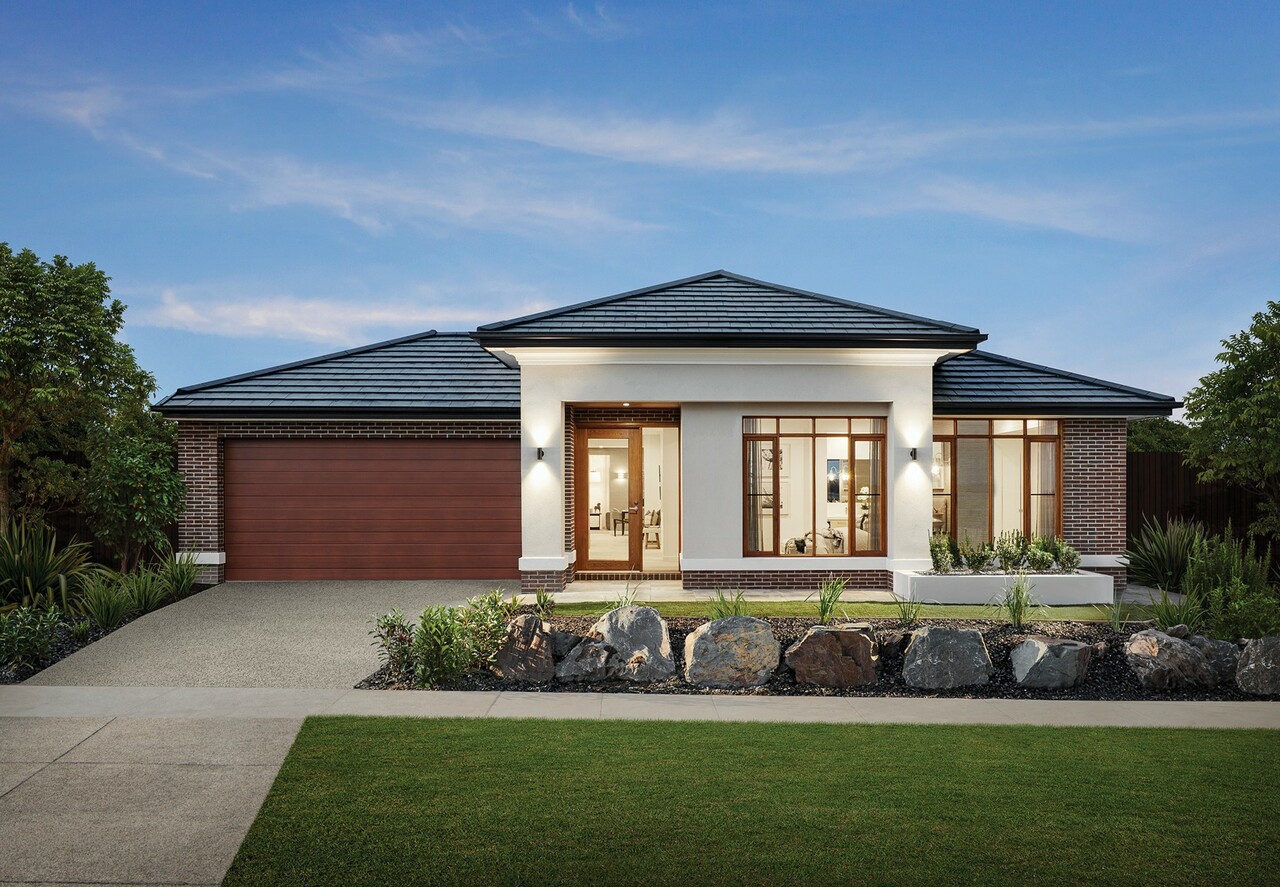
For many aspiring home buyers, building a new home can offer more flexibility, modern design features and the chance to create a space that better suits future lifestyle goals. The good news is that the First Home Guarantee Scheme may support eligible buyers looking to build, provided the property, loan structure and construction plans meet current eligibility requirements.
From house and land packages to construction loans and property price caps, there are several factors buyers should consider before applying for the scheme. This guide explores how the First Home Guarantee applies to building your first home and what steps may help buyers feel more confident throughout the process.
How the First Home Guarantee applies to new builds
The First Home Guarantee is not limited to existing properties. Eligible first home buyers may also be able to build a new home through approved construction pathways, including house and land packages and certain off-the-plan purchases, provided the property and loan structure meet current scheme requirements.
Under the Australian Government’s Home Guarantee Scheme, participating lenders can support buyers with eligible construction loans by allowing a smaller deposit and, in some situations, avoiding the lender's mortgage insurance. This may help first-home buyers enter the market sooner without needing a full 20% deposit before building.
Buyers planning to build should still review the eligibility criteria carefully, as construction contracts, land values, and total property costs generally need to remain within the relevant property price caps. Loan approval processes for new homes may also involve additional lender assessments compared with purchasing an established property.
For many buyers, building a new home can offer greater flexibility in layout, inclusions, and lifestyle preferences while still providing access to support through the First Home Guarantee Scheme.
![[Closed] CanterburyGrand_Alfresco](https://images1.cmp.optimizely.com/Zz1kNTdkMWE4ZWI3MTIxMWVkOGMxMGVlZmMyNzAyZWNlMA==?width=1280)
Can you use the scheme for house and land packages?
Eligible first home buyers may be able to use the First Home Guarantee for house and land packages, provided the purchase structure and loan arrangement meet current scheme requirements. This can offer buyers a pathway to building a new home while accessing a lower deposit home loan through participating lenders.
In many cases, lenders assess the combined value of the land and construction contract when determining eligibility under the scheme. The total property price generally needs to remain within the relevant property price caps for the location, including metropolitan and regional areas across Australia.
Construction contracts also play an important role in the approval process. Buyers may need fixed-price building contracts, eligible land ownership arrangements and lender-approved construction loan structures before proceeding under the First Home Guarantee. Because lender policies can vary, some buyers may find that approval requirements differ depending on the type of house and land package selected.
For buyers looking to enter the property market with greater flexibility and modern design options, house-and-land packages can be an appealing alternative to purchasing an existing home. Reviewing eligibility requirements early and speaking with participating lenders may help buyers better understand which pathways are available under the scheme.
How deposits work when building under the scheme
The First Home Guarantee can help eligible first home buyers build a new home with a smaller deposit than many traditional home loans require. Instead of needing a full 20% deposit, buyers may be able to secure a home loan with as little as 5% saved, depending on lender approval and scheme eligibility.
Standard deposit requirements
These are typical deposit expectations for many home loans outside the scheme.
Includes:
- Larger upfront savings requirements
- Higher barriers for first home buyers entering the market
- Potential lenders' mortgage insurance costs for low deposit loans
- Longer time needed to save for a deposit
Deposit support under the First Home Guarantee
These are reduced deposit requirements made possible by the government guarantee.
Includes:
- Deposit options from as little as 5%
- Reduced need to pay lenders' mortgage insurance
- Support for eligible first home buyers building new homes
- Access to participating lenders offering eligible construction loans
While the scheme may lower the upfront deposit required, buyers should still budget for additional costs linked to building, including land deposits, construction progress payments, legal fees and other upfront expenses. Lender approval, borrowing capacity and total property value may also affect the final deposit amount required under the scheme.
How building timelines impacts your eligibility
Building a new home under the First Home Guarantee can involve more moving parts than purchasing an established property, which means construction timelines may affect both lender approval and overall scheme eligibility. Delays in land registration, contract approvals, or construction loan processing can sometimes create complications during the application process.
Delays with land registration
Some house and land packages may involve waiting for land titles to be registered before construction can begin. Extended delays may affect loan approvals, settlement timing or lender requirements under the scheme.
Construction contract timing issues
Lenders often require signed building contracts and supporting documentation before approving construction loans. Missing paperwork or changes to contract details can slow down the approval process.
Changes to total build costs
Unexpected upgrades, site costs or construction variations may increase the final property value beyond the applicable property price cap. This can potentially affect eligibility under the scheme.
Approval timing with participating lenders
Construction loans can involve additional lender assessments compared with standard home purchases. Buyers may need to allow extra time for valuation checks, contract reviews and progress payment approvals.
Managing progress payments during construction
Building loans generally release funds in stages throughout construction. Buyers should understand how repayment structures and lender conditions may change during different phases of the build.
What types of builds are suitable under the scheme
The First Home Guarantee can support a range of eligible new home builds, provided the property and construction arrangements meet current scheme requirements and lender approval conditions.
Suitable build types may include:
- House and land packages with eligible construction contracts
- Newly built detached homes
- Off-the-plan homes that meet lender and scheme requirements
- Vacant land paired with an approved building contract
- Fixed-price construction agreements through participating lenders
- Owner-occupier homes designed for principal place of residence use
- Eligible new homes that remain within property price caps
- Construction projects supported by approved home loan structures
The structure of the build contract can also affect eligibility under the scheme. Buyers should carefully review total construction costs, land values and lender conditions before proceeding with a new home build.
Challenges to consider when building with the scheme
Building a new home through the First Home Guarantee can offer greater flexibility and modern design opportunities, but it may also introduce additional complexity compared with purchasing an established property. Buyers should understand how construction timing, approvals and contract structures can affect the overall building journey.
Construction timing delays
Potential challenges:
- Land registration delays
- Slower approval processes for construction loans
- Unexpected changes during construction
What buyers should consider:
- Allowing flexibility within the overall budget and planning process
- Reviewing timelines carefully with builders and lenders
- Preparing for possible approval or settlement delays
Construction cost changes
Potential challenges:
- Site costs and upgrades increasing the final build value
- Variations affecting borrowing capacity or property price caps
- Unexpected expenses during construction
What buyers should consider:
- Reviewing fixed-price contract options carefully
- Building contingency savings into the overall budget
- Monitoring total project costs throughout construction
Additional lender requirements
Potential challenges:
- More detailed documentation for construction loans
- Extra valuation and progress payment checks
- Different lender approval conditions for new builds
What buyers should consider:
- Speaking with participating lenders early
- Preparing financial documents in advance
- Understanding how staged construction payments work
Managing approvals and eligibility
Potential challenges:
- Delays affecting First Home Guarantee eligibility requirements
- Contract changes influencing lender approvals
- Property price cap limits impacting build decisions
What buyers should consider:
- Reviewing scheme requirements before signing contracts
- Confirming eligibility throughout the build process
- Seeking guidance from lenders and building professionals early in the journey
How lenders assess construction loans under the scheme
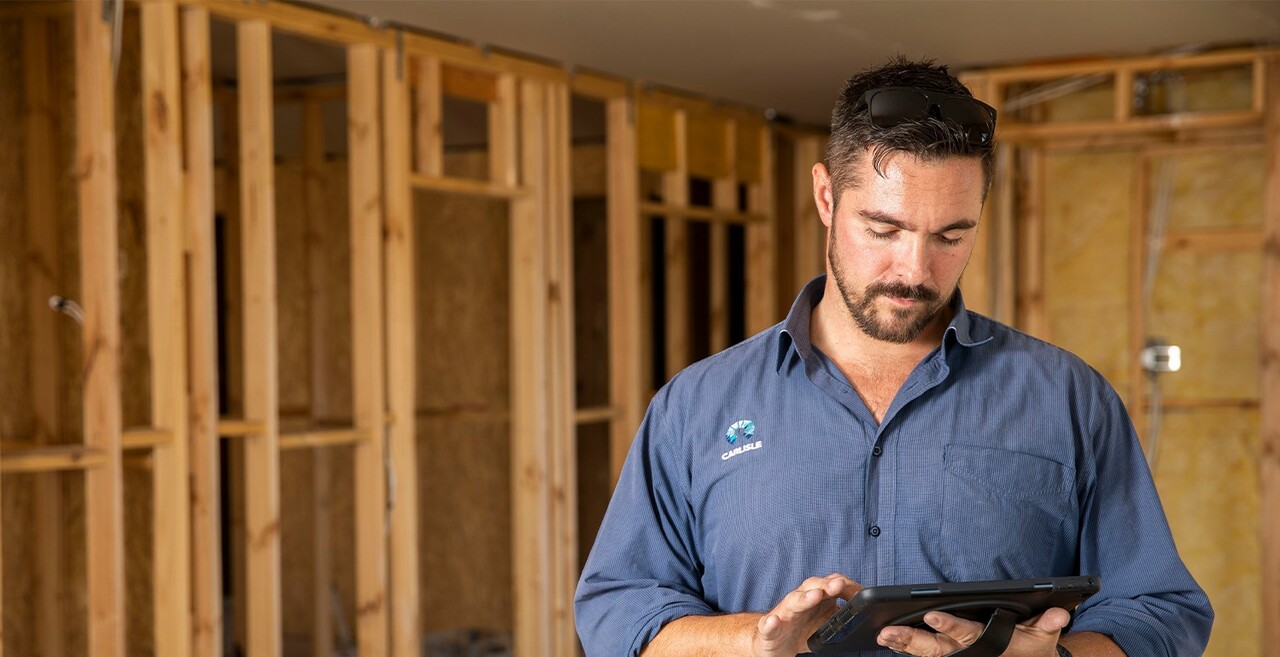
Construction loans under the First Home Guarantee are generally assessed differently from standard home loans because lenders need to evaluate both the buyer’s financial position and the proposed building project. Participating lenders will usually review income, borrowing capacity and overall affordability alongside construction contracts, land values and total project costs before approving finance.
Lenders may also assess whether the build meets current scheme eligibility requirements, including property price caps and owner-occupier conditions. Fixed-price building contracts, land purchase arrangements and progress payment structures can all influence how the loan application is reviewed during the approval process.
Because construction loans are typically released in stages throughout the build, lenders often apply additional checks before each payment phase proceeds. This can include valuation reviews, contract verification and updated financial assessments where required.
For first home buyers building a new home, understanding how lenders assess construction loans may help set more realistic expectations about approvals, documentation, and overall borrowing requirements under the First Home Guarantee.
Common mistakes when building under the First Home Guarantee
Building a new home under the First Home Guarantee can involve more moving parts than purchasing an existing property. Understanding common mistakes early may help buyers avoid delays, approval issues and unnecessary financial pressure during the building process.
1. Signing contracts before confirming eligibility
Some buyers commit to land or construction contracts before checking whether the project meets current scheme requirements. This can create complications if the property value, contract structure or loan arrangement falls outside eligibility guidelines.
2. Underestimating total build costs
Site works, upgrades, and construction variations can increase the final project value beyond the approved property price caps. Buyers who focus only on base pricing may encounter unexpected affordability or approval issues later in the process.
3. Delays with construction paperwork
Missing documents, incomplete contracts or unclear construction details can slow down lender assessments and approval timelines. Preparing paperwork early may help buyers move through the process more smoothly.
4. Assuming all construction loans work the same way
Different participating lenders may apply varying requirements for construction loans, progress payments and contract approvals. Buyers who do not review lender-specific conditions carefully may face unexpected delays.
5. Overlooking timing risks during construction
Land registration delays, contract changes or extended approval processes can affect eligibility and finance arrangements under the scheme. Allowing flexibility in planning may help reduce pressure if timelines shift during the build.
Building vs buying with the First Home Guarantee
The First Home Guarantee can support both buyers purchasing an established home, and those planning to build a new home, but the experience may differ depending on the property type, loan structure and approval process involved. Comparing the two pathways can help first home buyers better understand which option aligns more closely with their budget, lifestyle goals and preferred timeline.
| Feature | Building a home | Buying an established home |
| Property type | New builds, house and land packages, off-the-plan homes | Existing residential properties |
| Deposit requirements | Eligible buyers may access low-deposit construction loans | Eligible buyers may access low-deposit home loans |
| Loan structure | Construction loans with staged progress payments | Standard home loan structure |
| Approval process | Additional lender checks for contracts and build costs | Generally simpler approval process |
| Property price assessment | Total land and construction value assessed together | Purchase price assessed at sale |
| Timeline considerations | Construction approvals and land registration may affect timing | Settlement timelines are usually more straightforward |
| Flexibility | Greater choice around layout and personalised home design | Limited ability to personalise the property before purchase |
| Common challenges | Contract variations, timing delays, progress payment management | Competition in the property market and limited stock availability |
Both pathways can support first home buyers working towards home ownership under the First Home Guarantee, but the overall experience may vary depending on financial goals, preferred property type and lender requirements.
When building with the scheme may not be ideal
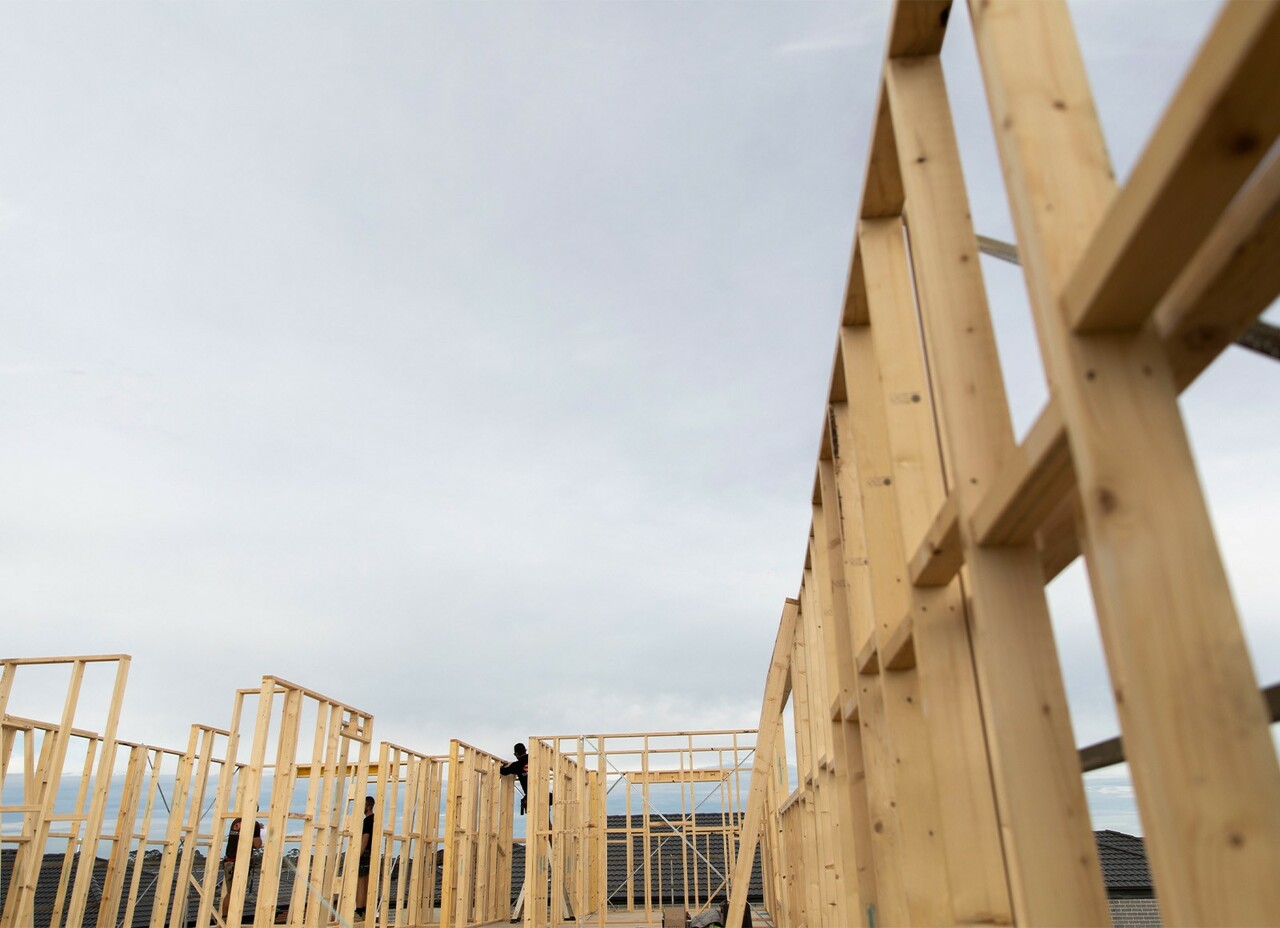
Building a new home through the First Home Guarantee can create exciting opportunities for first home buyers, but it may not suit every financial situation or property goal. Construction pathways often involve additional complexity compared with purchasing an established home, particularly when managing lender approvals, building contracts and changing project costs.
For some buyers, the uncertainty associated with land registration, construction timelines, or unexpected building expenses may place additional pressure on budgets and borrowing capacity. Buyers with limited savings beyond the minimum deposit may also find it more challenging to manage extra costs such as site works, upgrades or temporary living arrangements during construction.
Property price caps can also affect which locations and build options remain eligible under the scheme, especially in higher-demand areas across Australia. In some cases, purchasing an established property may provide a simpler and more predictable pathway to homeownership.
Carefully reviewing long-term financial goals, lifestyle priorities, and overall affordability may help buyers decide whether building under the First Home Guarantee aligns with their individual circumstances.
How Carlisle Homes helps you build under the First Home Guarantee
With a wide range of modern home designs and house and land packages Melbourne buyers can compare, Carlisle Homes supports first home buyers looking to build within First Home Guarantee requirements. Our experienced team provides guidance throughout the journey, helping buyers explore eligible build options, navigate construction considerations and feel more confident as they move towards home ownership.